
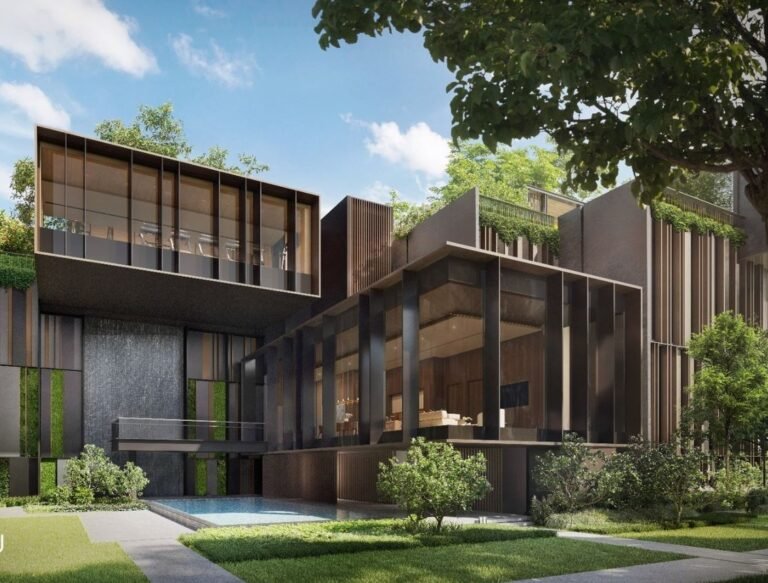
The kitchen is often considered the heart of a home, serving as both a functional space for meal preparation and a social hub for family interactions. In modern residential developments, kitchen design goes beyond utility; it reflects style, ergonomics, and efficient use of space. Showflats are an excellent way for prospective buyers to experience the practical and aesthetic aspects of kitchen layouts firsthand. The Dunearn House Showflat in Singapore’s Bukit Timah district demonstrates how thoughtful kitchen design can enhance both functionality and overall living experience.
The Dunearn House Showflat showcases a variety of kitchen design features aimed at maximizing convenience, efficiency, and visual appeal. By presenting fully furnished kitchens with modern appliances, ergonomic layouts, and high-quality materials, the showflat provides visitors with a realistic understanding of how the kitchens in the development will function in daily life. From layout planning to material selection, the design elements in the showflat highlight both form and function, giving buyers a comprehensive view of what to expect in their future homes.
Efficient Layout Planning
One of the most important aspects of kitchen design is layout planning. The Dunearn House Showflat emphasizes open-concept kitchens that integrate seamlessly with dining and living areas, promoting social interaction while maintaining efficient workflows. Key design principles, such as the kitchen work triangle—linking the stove, sink, and refrigerator—are carefully implemented to reduce unnecessary movement and enhance cooking efficiency.
The showflat demonstrates how thoughtful arrangement of cabinetry, countertops, and appliances ensures smooth functionality. Visitors can see how the layout accommodates multiple users simultaneously, making it suitable for families, entertainers, or individuals who enjoy cooking frequently.
Modern Cabinetry and Storage Solutions
Storage is a vital component of kitchen design, and the Dunearn House Showflat provides examples of both practical and aesthetically pleasing solutions. Custom cabinetry, floor-to-ceiling storage units, and built-in pantry spaces are designed to maximize available space while maintaining a clean and organized look.
In addition to traditional storage, the showflat demonstrates the use of modular shelving, pull-out drawers, and concealed compartments that make it easier to store utensils, cookware, and groceries. These features not only enhance functionality but also contribute to a clutter-free environment, which is essential in maintaining a visually appealing kitchen.
High-Quality Materials and Finishes
Material selection plays a critical role in both the durability and appearance of a kitchen. The Dunearn House Showflat highlights the use of premium finishes, such as stone countertops, durable cabinetry, and contemporary tiles. These materials are chosen not only for their aesthetic appeal but also for their resistance to heat, moisture, and wear.
Visitors can appreciate the combination of form and function, observing how materials complement the overall interior design while providing long-lasting durability. This attention to quality assures buyers that the kitchens in Dunearn House are built to meet high standards of both practicality and style.
Integrated Appliances and Technology
Modern kitchens are increasingly equipped with advanced appliances that enhance efficiency and convenience. The Dunearn House Showflat demonstrates how integrated appliances, such as built-in ovens, induction cooktops, and smart refrigerators, can be seamlessly incorporated into the kitchen design.
These appliances are positioned to maintain workflow efficiency while ensuring easy access and usability. Visitors can see firsthand how technology integration improves the overall functionality of the kitchen without compromising the aesthetic appeal or layout.
Lighting and Ventilation
Proper lighting and ventilation are essential to a functional and comfortable kitchen. The showflat illustrates a combination of natural and artificial lighting strategies. Large windows allow natural sunlight to illuminate the space, while task lighting above countertops and cooking areas ensures adequate visibility for daily chores.
Ventilation is addressed through strategically placed range hoods and exhaust systems that remove smoke, heat, and odors. By demonstrating these features, the Dunearn House Showflat highlights the importance of creating a kitchen environment that is both safe and comfortable for extended use.
Practical and Stylish Design Elements
The kitchen in the Dunearn House Showflat also incorporates design elements that enhance both usability and style. Countertop overhangs provide space for casual dining, while backsplash designs add visual interest and protect walls from spills. Ergonomic considerations, such as countertop heights and easy-to-reach storage, ensure that the kitchen is convenient for users of all ages.
By showcasing these practical and stylish elements, the showflat provides a clear representation of how modern kitchens can balance functionality with aesthetic appeal.
Conclusion
The Dunearn House Showflat offers an insightful look into the kitchen design features that define modern, efficient, and aesthetically pleasing residential spaces. From layout planning and storage solutions to material quality, integrated appliances, and lighting, each aspect of the kitchen is carefully considered to enhance both usability and visual appeal.
By exploring the showflat, prospective buyers gain a comprehensive understanding of how the kitchens in Dunearn House function in real life, helping them make informed decisions about their future home. Thoughtful design ensures that the kitchen is not only a practical workspace but also a central part of a comfortable and stylish living environment.