
More
    Home Blog Page 30

    A comprehensive guide for government job

    Sarkari exams, or government exams, hold immense significance in India, offering aspirants the opportunity to secure coveted positions in various government departments and organizations. These examinations are known for their competitive nature, rigorous selection processes, and potential to shape the careers and futures of millions of individuals. In this article, we explore the intricacies of Sarkari exams, shedding light on their importance, challenges, and strategies for success.

    Understanding Sarkari Exams: A Gateway to Government Jobs

    Sarkari exams serve as a gateway to lucrative and prestigious government jobs across diverse sectors such as banking, railways, defense, civil services, and public administration. These exams are conducted by various government bodies, including the Union Public Service Commission (UPSC), Staff Selection Commission (SSC), Railway Recruitment Board (RRB), and state-level Public Service Commissions (PSCs). Positions offered through Sarkari exams range from clerical and administrative roles to managerial and executive positions, providing candidates with opportunities for career advancement and stability.

    The Competitive Landscape: Challenges and Opportunities

    Sarkari exams are renowned for their competitive nature, with lakhs of aspirants vying for a limited number of vacancies. The selection process typically involves multiple stages, including preliminary exams, mains exams, interviews, and skill tests, each designed to assess candidates’ knowledge, skills, and suitability for the position. Despite the challenges posed by intense competition and stringent selection criteria, Sarkari exams offer aspirants the chance to secure stable employment, attractive salaries, and various perks and benefits associated with government jobs.

    Preparation Strategies: Tips for Success

    Preparing for Sarkari exams requires dedication, discipline, and strategic planning. Aspirants are advised to familiarize themselves with the exam pattern, syllabus, and marking scheme of their chosen exam. Creating a structured study plan, allocating sufficient time to each subject or topic, and practicing previous years’ question papers can help candidates build confidence and improve their performance. Additionally, enrolling in coaching programs, joining study groups, and utilizing online resources and mock tests can provide valuable support and guidance during the preparation process.

    Balancing Preparation with Other Commitments

    Many Sarkari exam aspirants juggle their exam preparation with other commitments such as education, employment, or family responsibilities. Balancing these commitments requires effective time management, prioritization, and perseverance. Aspirants are encouraged to establish a routine that allows for dedicated study time while also maintaining a healthy work-life balance. Seeking support from family members, employers, or mentors can alleviate stress and encourage during challenging times.

    Overcoming Challenges: Perseverance and Resilience

    The journey of preparing for the Sarkari exams is not without its challenges. Aspirants may encounter setbacks, failures, or unforeseen obstacles along the way. However, maintaining a positive mindset, resilience, and determination can help aspirants overcome adversity and stay focused on their goals. Learning from mistakes, seeking feedback, and continuously refining study strategies can turn challenges into opportunities for growth and improvement.

    Beyond the Exam: Career Prospects and Opportunities

    Successfully clearing a Sarkari exam opens doors to a multitude of career prospects and opportunities in the government sector. Government jobs offer stability, job security, retirement benefits, and opportunities for career advancement through promotions and transfers. Moreover, government employees have the chance to contribute to nation-building initiatives, public service projects, and policy formulation, making a meaningful impact on society and governance.

    Conclusion: Empowering Aspirants to Achieve Success

    Sarkari exams represent a pathway to fulfilling careers, financial stability, and professional growth for millions of aspirants across India. While the journey may be challenging, with dedication, perseverance, and strategic preparation, aspirants can overcome obstacles and realize their dreams of securing government jobs. By empowering aspirants with knowledge, resources, and support, Sarkari exams pave the way for a brighter and more promising future for individuals and the nation as a whole.

    Beyond the Exam: Career Prospects and Growth Opportunities

    Exploring the diverse career prospects and growth opportunities available in the government sector.
    Highlighting the benefits of government jobs, including job security, retirement benefits, and opportunities for professional development.

    Leveraging Resources: Utilizing Coaching Programs and Online Platforms

    Discussing the role of coaching programs, study materials, and online platforms in aiding aspirants’ preparation.
    Providing recommendations for reliable resources and platforms for Sarkari exam preparation.

    Internal Link: chitkamatka

    What is the history of Kedarnath temple?

    Kedarnath…(Kedarnath)

    Dehradun, Jagran Digital Desk. Devbhoomi Uttarakhand is known for its famous temples. From Char Dham to Panch Prayag, all are located in Uttarakhand. It is said that gods reside in Uttarakhand. Among all these temples, there is one temple which has become the identity of this state. The name is Kedarnath Dham. This temple of Baba Kedar is one of those religious places in Uttarakhand where every Indian dreams of visiting. If you are a devotee of Lord Bholenath then you must visit Kedarnath Dham. Kedarnath Temple is located in Rudraprayag district of Uttarakhand state of India.

    Kedarnath Dham is the most famous temple of Hindus. Kedarnath Temple in the lap of the Himalayan Mountains in Uttarakhand is one of the twelve Jyotirlingas. The path to reach Kedarnath Dham is as difficult as it is fascinating. Kedarnath Dham, situated amidst the beauty of natural waterfalls and mountains as well as snow-clad hills, is the most sacred place for Shiva devotees. The doors of Kedarnath Dham open only for a fixed time and lakhs of devotees come to see Baba Kedar. Although you might know a lot about Kedarnath Dham, we will tell you about the mystery of Kedarnath Dham from its construction till it was covered under snow for 400 years…

    Baba Kedar remains covered with snow for six months

    People have to wait for a fixed time to visit Kedarnath temple. Cedar Valley is covered with snow during winter. Due to severe snowfall,l it is difficult to reach here, hence the temple is closed for six months. The Muhurta for the opening and closing of Kedarnath temple is determined. Till now this temple mostly closes before the 15th of November and opens after six months i.e. after Vaishakhi (13-14 April).

    That means this temple remains closed for six months in a year and the doors of this temple are opened for darshan for six months. Before the doors of Kedarnath are opened, it is decorated grandly and the Chief Minister of the state himself is present there on the day of the opening of the doors.

    The devastation caused by the 2013 ‘Deluge’

    The year 2013 is no less than a curse for Kedarnath located in Uttarakhand. It is said that when nature shows its fierce form, nothing can stand before it. The cataclysm of 2013 caused devastation in Kedarnath. This year the disaster completed 10 years. The disaster that occurred on 16-17 June 2013 resulted in thousands of deaths. Here, heavy debris and huge boulders flowing from the cloudburst in Chaurabari Lake had caused devastation. At that time no one had thought that the Mandakini river flowing peacefully in the Dham would take a monstrous form and create havoc.

    The river made its new course and then a scene of devastation was seen. Kedarnath temple also suffered some damage in this flood, but the temple remained standing even in the flood. Bodies of 4700 pilgrims were recovered in this deluge. While more than five thousand had gone missing. The picture of Kedarnath Dham has changed in these ten years. Now this Shiva temple has become more grand and magnificent, while the number of devotees arriving has also increased.

    How to reach Kedarnath Dham

    Well, with time, the journey to Kedarnath has become easy and simple. Many facilities are available here. If you want to visit Kedarnath, your journey starts from Haridwar or Rishikesh. Haridwar is connected by rail to all the big and major cities of the country. You can reach Haridwar by train. To go further from here, you can book a taxi or go by bus. Along with this, there is also the facility for air travel to Kedarnath Dham. Devotees can reach here by helicopter.

    Haridwar to Sonprayag is 235 kilometers and Sonprayag to Gaurikund is 5 kilometers. You can go by road by any type of vehicle. Then your tracking starts from here. You will have to walk the next 16-kilometre distance. Well, now there is an arrangement for a horse and palanquin here, so you can go there also. This 16-kilometer route is quite difficult because landslides can cause major accidents during the rainy season. This 16-kilometre route is as difficult as it is beautiful. You will get to see the most beautiful view of nature’s creation here.

    What is the right time to visit?

    Well, the most important and the first step to go to Kedarnath is registration. You will not get entry here without registration, so register in advance. However, Kedarnath temple is open only for six months in a year. The best time for you to go here is the months of April, May and June. Due to the high altitude of this temple, the weather here is quite cold and you may even see snowfall.

    In which country is Kedarnath?

    Kedarnath Temple is located in the state of Uttarakhand, India. Situated on the banks of the Mandakini River at an altitude of 3584 meters above sea level, this temple is dedicated to Lord Shiva. The historical name of this area is “Kedar Khand”. Kedarnath Temple is a part of Char Dham and Panch Kedar in Uttarakhand and is one of the 12 Jyotirlingas of Lord Shiva in India.

    Is Kedarnath a Jyotirlinga?

    Kedarnath is one of the 12 Jyotirlingas, which are considered especially sacred temples of Lord Shiva. Kedarnath is situated in the Himalayas near the Mandakini River. Kedarnath tops the list of most famous temples of Lord Shiva.

    When should one visit Kedarnath Temple?

    Kedarnath temple is open only for six months in a year. The best time for you to go here is the months of April, May and June. The doors of this temple are closed during heavy snowfall. This temple remains closed for six months in a year and the doors of this temple remain open for devotees for six months.

    Can one go to Kedarnath without registration?

    No, it is mandatory to register yourself before going to Kedarnath. You will not be allowed to enter Kedarnath temple without it. Along with registration, it is important to have all the main documents like Aadhar Card, Driving License, PAN Card, and Voter ID.

    When does Kedarnath open and close in 2023?

    The Muhurta for the opening and closing of Kedarnath temple is determined. Till now this temple mostly closes before the 15th of November and opens after six months i.e. after Vaishakhi (13-14 April).

    Internal Link – chitkamatka

    Understanding the Results of Satta Matka

    0

    In the world of Satta Matka, the Kalyan Chart holds a pivotal role, serving as a key tool for players to analyze past results and make informed betting decisions. Originating in India, Satta Matka is a form of lottery and gambling that has evolved into a subculture with its terminology, rituals, and strategies. This article delves into the intricacies of the Kalyan Chart, shedding light on its significance, structure, and interpretation within the Satta Matka community.

    Introduction to Satta Matka and the Kalyan Market

    Satta Matka, a popular form of lottery and gambling in India, has captured the imagination of millions with its blend of luck, strategy, and excitement. Originating in the 1960s as a betting game on the opening and closing rates of cotton, Satta Matka has evolved into a complex system of numerical guessing and betting on various markets. Among these markets, the Kalyan market holds a prominent position, attracting a large number of players due to its popularity and reputation for fair play.

    Understanding the Kalyan Chart: Structure and Components

    The Kalyan Chart, also known as the Kalyan Matka Chart, is a visual representation of past results or outcomes in the Kalyan market. It typically consists of a grid or table displaying a series of numbers, dates, and corresponding outcomes, such as open and closed figures. Each row in the chart represents a specific date or round, while the columns contain the results for different parameters, such as the open, close, and jodi (pair) numbers.

    Significance of the Kalyan Chart in Satta Matka

    The Kalyan Chart holds immense significance for players in the Satta Matka community for several reasons. Firstly, it serves as a historical record of past results, allowing players to track winning numbers and identify recurring patterns or cycles. This historical data is crucial for players who employ statistical analysis and probability theory to inform their betting strategies.

    Analyzing Patterns and Trends in the Kalyan Chart

    One of the primary uses of the Kalyan Chart is to analyze patterns and trends in past results, which can help players make informed decisions when placing bets. Players look for patterns such as consecutive numbers, repeated pairs, or certain numbers appearing more frequently than others. By identifying these patterns, players can develop strategies to increase their chances of winning.

    Interpreting the Kalyan Chart: Strategies and Techniques

    Interpreting the Kalyan Chart requires a combination of analytical skills, intuition, and experience. Players use various strategies and techniques to analyze the data, including:

    • Number analysis: Examining the distribution of numbers and identifying hot or cold numbers.
    • Pattern recognition: Looking for recurring patterns or sequences in the results.
    • Probability calculations: Using mathematical formulas and algorithms to calculate the likelihood of certain outcomes.
    • Historical data comparison: Comparing current results with records to detect anomalies or deviations.

    Utilizing Technology and Software Tools

    In the digital age, technology plays a significant role in analyzing and interpreting the Kalyan Chart. Many players use software tools, mobile apps, and online platforms to crunch data, generate predictive models, and receive real-time updates on results. These tools can provide valuable insights and automate the process of analyzing the chart, saving time and effort for players.

    Challenges and Risks Associated with Satta Matka and the Kalyan Chart

    While the Kalyan Chart can provide valuable insights and guidance, it’s essential to recognize the inherent risks and challenges associated with Satta Matka. The game involves financial risk, addiction potential, and legal implications in certain jurisdictions. Moreover, reliance on the Kalyan Chart alone is not a foolproof strategy, as outcomes are ultimately unpredictable, and luck plays a significant role in the game.

    Conclusion: Navigating the World of Satta Matka with the Kalyan Chart

    In conclusion, the Kalyan Chart serves as a vital tool for players in the Satta Matka community, offering insights into past results and guiding betting strategies. However, it’s essential to approach the game with caution, recognizing the risks involved and exercising responsible gambling practices. Whether viewed as a game of luck, skill, or strategy, the Kalyan Chart remains an integral part of the Satta Matka experience, embodying the thrill and excitement of this unique form of entertainment.

    Internal Link: chitkamatka

    The 10 quickest fast trains on the planet

    0

    Bullet trains, also known as high-speed trains, are advanced passenger trains that operate at significantly higher speeds than conventional rail traffic. They are characterized by their sleek design, aerodynamic shape, and advanced propulsion systems, which allow them to reach speeds of over 250 km/h (155 mph) on dedicated high-speed rail tracks.

    Here are some key points about bullet trains:

    Origin:

    The concept of high-speed rail dates back to the early 20th century, but it gained prominence in the 1960s with the introduction of the Shinkansen in Japan, often referred to as the first true bullet train.

    Technology:

    Bullet trains utilize various technological innovations to achieve their high speeds, including powerful electric or magnetic propulsion systems, lightweight materials for construction, aerodynamic designs to reduce air resistance, and advanced signaling and safety systems.

    Speed:

    Different models of bullet trains operate at different speeds, but many are capable of traveling at over 300 km/h (186 mph) in commercial service. Some newer models, such as the Shanghai Maglev, have even exceeded 400 km/h (248 mph).

    Global Expansion:

    Bullet train technology has been adopted by several countries around the world, including China, France, Germany, Spain, South Korea, and Taiwan, among others. Each country has its own high-speed rail network, with trains tailored to local needs and operating conditions.

    Benefits:

    Bullet trains offer numerous benefits, including reduced travel times between major cities, increased capacity and efficiency compared to air travel, reduced environmental impact compared to cars and airplanes, and economic stimulus through job creation and development along rail corridors.

    Challenges:

    Despite their advantages, bullet trains also face challenges, such as high construction costs, land acquisition issues, political and regulatory hurdles, and competition from other modes of transportation.

    Overall, bullet trains represent a significant advancement in transportation technology and continue to play a vital role in connecting urban centers and facilitating efficient, sustainable travel over medium to long distances.

    As of my last update, here are some of the fastest high-speed trains in the world:

    Shanghai Maglev (China):

    The Shanghai Maglev holds the record for the fastest commercial train service, reaching speeds of up to 431 km/h (268 mph).

    Fuxing Hao (China):

    Also known as the “Rejuvenation” series, these trains operate between Beijing and Shanghai at speeds of up to 350 km/h (217 mph).

    TGV InOui (France):

    The TGV InOui runs at speeds of up to 320 km/h (199 mph) on certain routes in France.

    Shinkansen (Japan):

    Several models of the Shinkansen, also known as the “bullet train,” operate in Japan, with speeds reaching up to 320 km/h (199 mph) on the Tokaido Shinkansen line.

    AGV Italo (Italy):

    Operated by NTV, the AGV Italo travels at speeds of up to 300 km/h (186 mph) on Italy’s high-speed rail network.

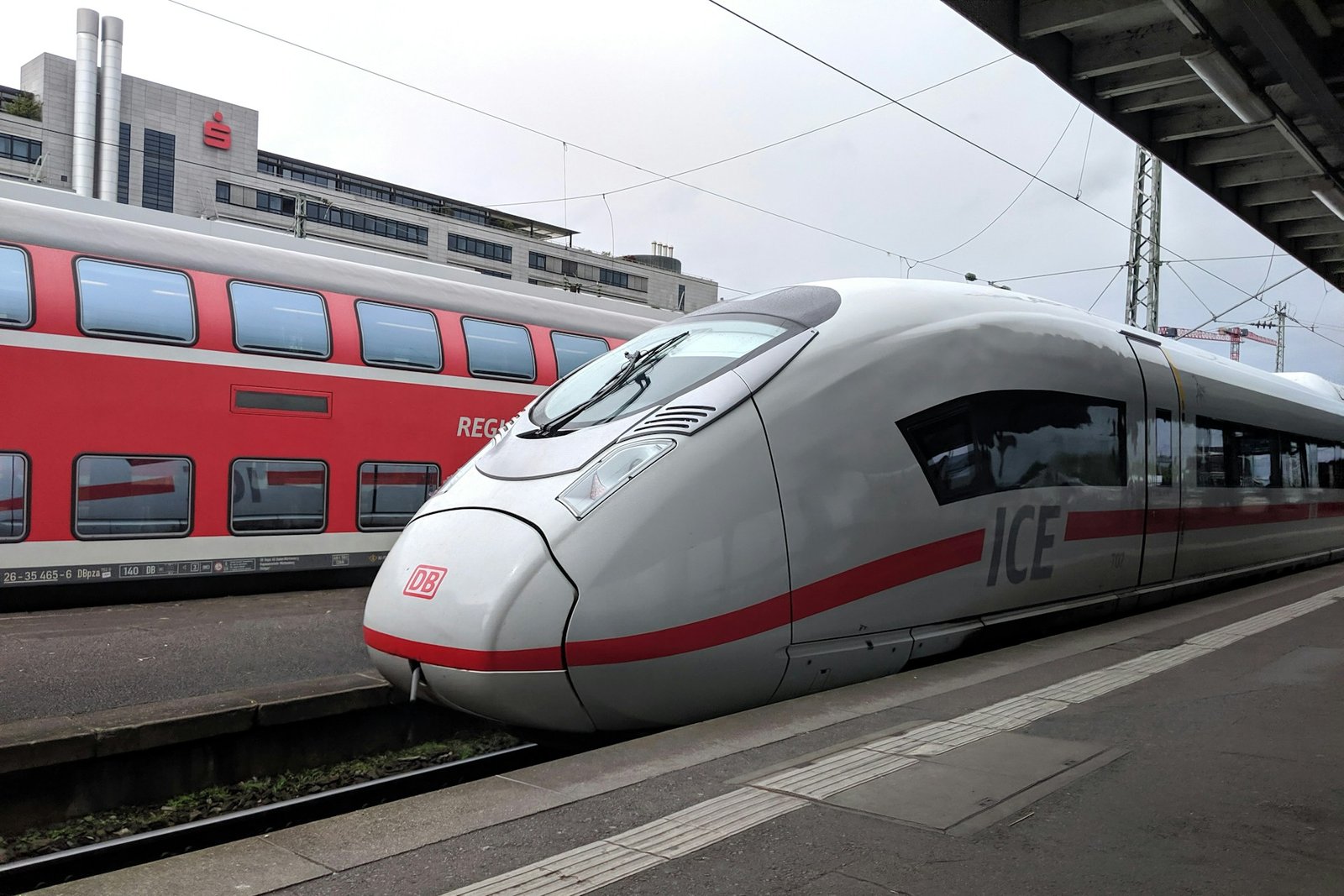
    ICE 3 (Germany):

    The ICE 3 trains run by Deutsche Bahn can reach speeds of up to 300 km/h (186 mph) on certain routes.

    AVE (Spain):

    The AVE trains in Spain can travel at speeds of up to 300 km/h (186 mph) on various routes connecting major cities.

    KTX (South Korea):

    South Korea’s KTX trains reach speeds of up to 305 km/h (190 mph) on certain routes.

    Alstom Euroduplex (France):

    Operating on the TGV lines, the Alstom Euroduplex can reach speeds of up to 320 km/h (199 mph).

    E5 Series Shinkansen (Japan):

    Another member of Japan’s Shinkansen family, the E5 series, operates on the Tohoku Shinkansen line, reaching speeds of up to 320 km/h (199 mph).

    These speeds are subject to change as technology advances and new trains are developed.

    Internal Link: chitkamatka

    The Era of the Bullet Train

    0

    Bullet Train

    In transportation, few innovations have captured the imagination and excitement of the public quite like the bullet train. Also known as high-speed rail, these sleek, aerodynamic marvels have transformed how we traverse vast distances, offering unparalleled speed, efficiency, and comfort. As we hurtle into the future, the bullet train stands as a symbol of progress and ingenuity, reshaping the landscape of travel across the globe.

    The Genesis of High-Speed Rail

    The concept of high-speed rail dates back to the mid-20th century, with pioneering efforts in countries like Japan, France, and Germany. However, Japan’s Shinkansen, launched in 1964, truly heralded the dawn of the bullet train era. With its cutting-edge technology and speeds reaching up to 200 miles per hour, the Shinkansen revolutionized intercity travel, shrinking distances and connecting major urban centers like never before.

    The Advantages of Bullet Trains

    The appeal of bullet trains lies not only in their impressive speed but also in their numerous advantages over other modes of transportation.

    Speed and Efficiency: Perhaps the most obvious benefit of bullet trains is their incredible speed. Traveling at velocities that outpace conventional trains and even some domestic flights, they drastically reduce travel times between cities, making day trips and weekend getaways more accessible than ever.

    Environmental Sustainability: As the world grapples with the pressing issue of climate change, the environmental benefits of high-speed rail are increasingly apparent. Unlike cars or airplanes, which rely on fossil fuels and emit significant amounts of greenhouse gases, bullet trains are relatively eco-friendly. By offering a greener alternative to traditional forms of transportation, they play a crucial role in mitigating carbon emissions and promoting sustainability.

    Comfort and Convenience: Step aboard a bullet train, and you’ll find yourself enveloped in comfort and luxury. From spacious seating to onboard amenities like Wi-Fi and dining options, these trains prioritize passenger satisfaction, ensuring a pleasant journey from start to finish.

    Urban Development and Connectivity: The introduction of high-speed rail often spurs economic growth and urban development along its corridors. By facilitating easier access to different regions, bullet trains stimulate tourism, commerce, and investment, thereby contributing to the vitality of surrounding communities.

    Global Expansion and Innovation

    In the decades since their inception, bullet trains have proliferated across the globe, with countries from Europe to Asia investing in their high-speed rail networks. China, in particular, has emerged as a leader in this domain, boasting the world’s most extensive high-speed rail network. Meanwhile, countries like the United States are increasingly exploring the potential of high-speed rail to address congestion, enhance mobility, and reduce carbon emissions.

    Moreover, ongoing advancements in technology continue to push the boundaries of what’s possible with bullet trains. From maglev (magnetic levitation) trains capable of reaching even higher speeds to innovations in energy efficiency and safety, researchers and engineers are continually refining and improving upon existing designs, ensuring that the bullet train remains at the forefront of modern transportation.

    Challenges and Opportunities Ahead

    Despite their myriad benefits, bullet trains are not without their challenges. The initial costs of building high-speed rail infrastructure can be substantial, and concerns regarding funding, land acquisition, and regulatory hurdles often arise. Moreover, ensuring the ongoing safety and reliability of these systems requires vigilant maintenance and investment in cutting-edge technologies.

    However, as the world confronts the imperatives of climate change, urbanization, and sustainable development, the case for high-speed rail has never been stronger. By fostering connectivity, driving economic growth, and reducing carbon emissions, bullet trains represent a potent solution to the transportation challenges of the 21st century.

    Looking to the Future

    As we look to the future, the potential of bullet trains to reshape our world is immense. Whether connecting megacities or linking remote regions, these marvels of modern engineering hold the promise of a more connected, sustainable, and prosperous world. As we embark on this journey, let us embrace the spirit of innovation and cooperation, harnessing the power of high-speed rail to build a brighter tomorrow for generations to come.

    Internal Link: chitkamatka

    Unraveling the Mysteries of Lottery Sambad

    0

    The Allure of Lottery Sambad

    In the vast landscape of India’s lottery culture, one name reigns supreme – Lottery Sambad. With its daily draws and tantalizing prizes, Lottery Sambad has become ingrained in the fabric of Indian society, captivating the hearts and minds of millions across the nation. This article delves into the origins, mechanics, societal impact, regulatory landscape, and ethical considerations surrounding Lottery Sambad, shedding light on its enduring popularity and significance.

    The Genesis of Lottery Sambad

    Lottery Sambad traces its origins to the northeastern state of Nagaland, where it was introduced to generate revenue for the state government. The humble beginnings of the Lottery date back to the 1960s, when it emerged as a simple yet effective fundraising method. Over time, the popularity of Sambad soared, prompting other states such as West Bengal and Sikkim to adopt similar lottery schemes under different names.

    Understanding the Mechanics

    Lottery Sambad operates on a straightforward premise

    participants purchase lottery tickets featuring a unique set of numbers and await the results of the draw. The draws, held daily, offer various prize tiers, ranging from small cash rewards to life-changing jackpots. Random number generators or traditional methods are used to conduct the draws, with winning numbers announced through newspapers, television broadcasts, and online platforms.

    The Societal Impact of Lottery Sambad

    lottery culture exerts a profound influence on Indian society, serving as a source of entertainment, excitement, and aspiration for participants. For many, purchasing lottery tickets becomes a ritualistic activity, accompanied by dreams of financial independence and prosperity. Moreover, plays a vital role in generating revenue for state governments and funding essential social welfare programs, infrastructure projects, and public services.

    Regulatory Measures and Oversight

    To ensure fairness, transparency, and responsible gaming practices, state governments oversee the licensing and regulation of lottery operators, including those offering. Regulatory measures are implemented to prevent fraud, ensure compliance with legal requirements, and protect the interests of participants. Additionally, efforts are made to combat illegal lottery operations and counterfeit ticket scams, safeguarding the integrity of other lottery games.

    Ethical Considerations in Lottery Sambad

    While offers the promise of financial gain, it also raises ethical concerns regarding gambling addiction, financial irresponsibility, and social equity. The allure of winning big prizes can lead to excessive spending on lottery tickets, resulting in financial hardship for some individuals and families. Moreover, the unregulated nature of the lottery industry leaves room for exploitation and fraudulent practices, necessitating ethical guidelines and consumer protection measures.

    Cultural Significance and Rituals

    Lottery Sambad holds a special place in Indian culture, embodying the hopes, dreams, and aspirations of participants from diverse backgrounds. The daily draws become a focal point of anticipation and excitement, bringing communities together as they await the announcement of winning numbers. Rituals and superstitions often accompany the purchasing of lottery tickets, with individuals employing lucky numbers, charms, and rituals in the hopes of improving their chances of winning.

    Challenges and Criticisms

    Despite its widespread popularity, Lottery Sambad faces criticism and scepticism from various quarters. Critics argue that Lottery Sambad exploits vulnerable populations, preys on individuals with limited financial literacy, and perpetuates inequalities within society. Moreover, concerns about addiction, compulsive gambling behaviour, and the adverse impact on personal finances underscore the need for responsible gaming practices and greater awareness.

    Future Prospects and Adaptations

    As India’s lottery landscape evolves, continues to adapt and innovate to meet the changing needs and preferences of participants. Technological advancements, such as online ticket sales and digital draws, enhance accessibility and convenience, attracting a wider audience of players. Moreover, efforts to promote responsible gaming, enhance transparency, and strengthen consumer protections contribute to the long-term sustainability and legitimacy of Sambad.

    Conclusion: The Enduring Legacy of Lottery Sambad

    Lottery Sambad stands as a testament to the enduring allure of India, captivating the imagination and aspirations of millions across the nation. While it offers the promise of fortune and prosperity, the Lottery also raises important questions about ethics, regulation, and social responsibility. By navigating these challenges with transparency, accountability, and empathy, Sambad can continue to thrive as a source of entertainment, excitement, and opportunity for generations to come.

    Internal Link: chitkamatka

    Discovering the latest innovations in wearable tech wins

    0

    In an era where technology continues to permeate every aspect of our lives, wearable technology stands out as one of the most exciting and transformative developments. From smartwatches to fitness trackers, wearable devices have become ubiquitous accessories that seamlessly integrate into our daily routines, offering convenience, connectivity, and functionality like never before. Among these innovations, “tech winks” emerge as a fascinating and cutting-edge trend that is revolutionizing the way we interact with technology. Let’s delve into the world of tech winks and explore the latest advancements in this burgeoning field.

    Defining Tech Winks

    Tech winks, also known as smart glasses or augmented reality (AR) glasses, are wearable devices that overlay digital information onto the user’s field of view, enhancing their perception of the world around them. Unlike traditional eyewear, tech winks incorporate advanced sensors, cameras, and display technology to deliver an immersive and interactive experience.

    Augmented Reality at Your Fingertips:

    With tech winks, users can access a wealth of information and digital content without ever needing to glance at a screen. From real-time navigation and step-by-step instructions to interactive gaming and virtual tours, the possibilities for augmented reality experiences are virtually limitless with tech winks.

    Hands-Free Convenience:

    One of the key advantages of tech winks is their hands-free functionality, allowing users to interact with digital content without interrupting their activities. Whether you’re cooking in the kitchen, navigating city streets, or attending a business meeting, tech winks enable seamless multitasking and productivity.

    Personalized Experiences:

    Tech winks have the potential to revolutionize the way we consume content and engage with our surroundings. By leveraging artificial intelligence and machine learning algorithms, these devices can analyze user preferences and deliver personalized recommendations, enhancing the overall user experience.

    Integration with Smart Ecosystems:

    Tech winks are not standalone devices; they are part of a larger ecosystem of interconnected smart devices and services. From syncing with your smartphone to accessing smart home controls, tech winks seamlessly integrate into your digital lifestyle, providing a cohesive and interconnected user experience.

    Applications Across Industries:

    The applications of extend beyond consumer use, with potential applications across a wide range of industries. From healthcare and education to manufacturing and logistics, tech winks have the potential to streamline workflows, improve productivity, and enhance safety in various professional settings.

    Privacy and Security Considerations:

    As with any technology that collects and processes personal data, privacy and security considerations are paramount when it comes to tech winks. Manufacturers must implement robust security measures to protect user data and ensure compliance with privacy regulations to build trust and confidence among consumers.

    The Future of Wearable Technology:

    Tech winks represent just the tip of the iceberg when it comes to the potential of wearable technology. As advancements in miniaturization, sensor technology, and battery life continue to progress, we can expect to see even more innovative and transformative wearable devices in the years to come.

    In conclusion, are poised to revolutionize the way we interact with technology, offering immersive augmented reality experiences, hands-free convenience, and personalized content delivery. As the capabilities of wearable technology continue to evolve, represent an exciting glimpse into the future of human-computer interaction, promising to enhance productivity, connectivity, and creativity in ways we’ve never imagined before.

    Internal Link: chitkamatka

    Tech contraptions for smart business

    0

    Absolutely! Here are five tech gadgets that savvy entrepreneurs can utilize to boost business efficiency

    Five tech Gadgets

    Smartphones

    A powerful smartphone is essential for staying connected, managing emails, scheduling appointments, and accessing important documents on the go. Look for models with robust productivity features and long battery life.

    Tablets or 2-in-1 Laptops

    These versatile devices offer the portability of a tablet with the functionality of a laptop. They’re perfect for presentations, taking notes during meetings, and accessing business applications while travelling.

    Cloud Storage Solutions

    Services like Dropbox, Google Drive, or Microsoft OneDrive allow you to store and access documents, spreadsheets, and presentations from anywhere with an internet connection. This ensures that important files are always available and backed up.

    Wireless Charging Stations

    Simplify your workspace and keep your devices powered up with wireless charging pads or stands. They eliminate the need for tangled cords and make it easy to keep your phone or tablet charged throughout the day.

    Virtual Assistants (e.g., Amazon Echo, Google Home)

    These voice-activated devices can help streamline tasks like setting reminders, scheduling appointments, and managing to-do lists. They can also integrate with other smart devices in your office to automate processes and improve efficiency.
    By leveraging these tech gadgets, entrepreneurs can enhance productivity, streamline workflows, and ultimately drive business success.

    Brilliant Undertaking The executives Programming: Smoothing out Work processes

    Smart project management software can significantly streamline workflows for businesses of all sizes. Here are some key features to look for when choosing project management software:

    Task Management:

    Efficient task management features allow you to create, assign, prioritize, and track tasks across projects. Look for software that offers customizable task lists, deadlines, and notifications to keep everyone on track.

    Collaboration Tools:

    Effective collaboration tools are essential for teams working remotely or across different locations. Features like real-time chat, file sharing, and commenting streamline communication and ensure everyone is on the same page.

    Scheduling and Calendar Integration:

    Project management software with scheduling capabilities and calendar integration enables you to plan and visualize project timelines, allocate resources, and avoid scheduling conflicts.

    File and Document Management:

    Centralized file and document management make it easy to store, organize, and access project-related documents, images, and other files. Version control and document-sharing features help ensure everyone has access to the most up-to-date information.

    Reporting and Analytics:

    Robust reporting and analytics tools provide insights into project progress, resource allocation, and team performance. Customizable reports and dashboards help stakeholders make data-driven decisions and identify areas for improvement.

    Integration with Other Tools:

    Look for project management software that integrates seamlessly with other tools and platforms your team already uses, such as email, time tracking, invoicing, and CRM systems. This integration streamlines workflows and decreases guide facts entry.

    Mobile Accessibility:

    Mobile accessibility enables team members to access project information, update tasks, and communicate with colleagues from anywhere using their smartphones or tablets. This flexibility improves productivity and ensures that projects stay on track, even when team members are on the go.
    By choosing project management software that offers these features, businesses can streamline workflows, improve collaboration, and ultimately achieve better results.

    Menial Helper Gadgets: Efficient Efficiency Promoters


    Virtual assistant devices can indeed be excellent productivity boosters for both personal and professional tasks. Here are some ways they can save time and increase efficiency:
    Voice-Activated Commands: Virtual assistant devices like Amazon Echo or Google Home respond to voice commands, allowing you to quickly set reminders, create to-do lists, schedule appointments, and even make hands-free calls without interrupting your workflow.
    Smart Home Integration: These devices can control other smart home devices, such as smart lights, thermostats, and security cameras, enabling you to adjust settings and automate tasks with simple voice commands. This can save time and make your environment more comfortable and secure.
    Calendar Management: Virtual assistants can sync with your calendar and provide reminders for upcoming appointments, meetings, and deadlines. You can also use them to schedule events, check availability, and documents coordinate with colleagues or family members.
    Information Retrieval: Need quick answers or information? Virtual assistants can provide weather updates, news briefings, sports scores, and answers to general knowledge questions instantly, saving you the time and effort of searching manually.
    Task and Project Management: Some virtual assistants integrate with task management and project management tools, allowing you to add tasks, check task status, and update project timelines using voice commands. This can help you stay organized and focused on your priorities.
    Shopping and To-Do Lists: Virtual assistants can create and manage shopping lists and to-do lists, documents making it easy to add items as you think of them and access them later from your smartphone or computer when you’re ready to shop or tackle tasks.
    Entertainment and Relaxation: After a productive day, virtual assistants can help you unwind by playing music, audiobooks, podcasts, or guided meditation sessions, providing a convenient way to relax and recharge.
    By incorporating virtual assistant devices into your daily routine, you can save time, stay organized, and focus on the tasks that matter most, both at work and at home.

    Internal Link: chitkamatka