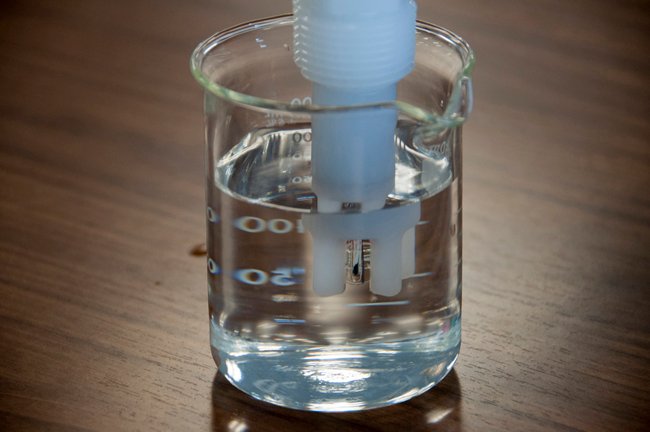
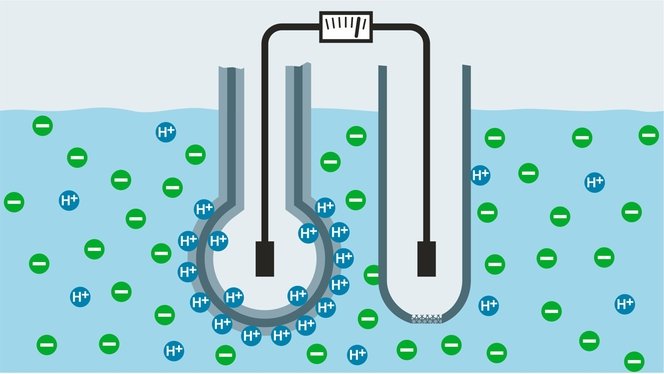
Precise pH measurement is a cornerstone of research and scientific studies across numerous disciplines, including chemistry, biology, environmental science, and materials research. Understanding the acidity or alkalinity of a solution is essential for reproducible experiments, accurate analysis, and valid conclusions. Researchers rely on advanced instruments to ensure that their studies yield reliable and consistent results, with pH sensors being a key tool in this process.
The Role of pH Sensors in Scientific Research
In laboratory settings, controlling and monitoring pH is critical for reaction control, enzyme activity, and sample stability. Variations in pH can significantly affect experimental outcomes, leading to inconsistent data or failed experiments. Modern pH sensors provide researchers with real-time measurements and high precision, enabling experiments to proceed under controlled conditions and supporting reproducibility across studies.
Applications in Chemistry and Biochemistry
In chemical research, pH affects reaction rates, solubility, and ionization of compounds. Accurate pH monitoring allows chemists to optimize reaction conditions, minimize unwanted side reactions, and achieve consistent yields. Biochemists rely on precise pH control for enzyme-catalyzed reactions, protein stability studies, and buffer preparation. pH sensors provide immediate feedback, allowing researchers to adjust conditions as needed and maintain optimal experimental environments.
Environmental and Ecological Studies
Environmental scientists use pH sensors to monitor water quality, soil acidity, and pollution impacts. Changes in pH can indicate chemical contamination, acid rain effects, or shifts in ecological balance. Continuous and accurate pH measurements allow researchers to track trends over time, detect anomalies, and assess the health of ecosystems. Portable and robust pH sensors enable field studies in lakes, rivers, and soils, expanding the scope of environmental research.
Pharmaceutical and Medical Research
In pharmaceutical research, pH monitoring is essential for drug formulation, stability testing, and cell culture studies. Small variations in pH can affect drug solubility, bioavailability, and chemical stability. Similarly, medical researchers studying cell growth, enzyme activity, or metabolic processes need precise pH control to ensure valid experimental results. Integrating pH sensors into these studies improves accuracy and supports the development of reliable therapeutic solutions.
Food Science and Biotechnology
Researchers in food science and biotechnology rely on pH sensors for studies on fermentation, flavor development, and microbial activity. Monitoring pH in fermentation processes such as brewing, yogurt production, or bioreactor experiments is critical for understanding microbial growth patterns and chemical transformations. Sensors provide continuous data that allow scientists to analyze trends, optimize conditions, and improve product quality in applied research.
Laboratory Experimentation and Automation
Modern laboratories increasingly integrate pH sensors with automated systems to streamline experiments and reduce manual intervention. Sensors connected to data acquisition systems provide continuous monitoring, logging measurements over time, and enabling precise control of experimental variables. Automation reduces human error and enhances reproducibility, which is vital in scientific research where consistent conditions are necessary for meaningful conclusions.
Factors Affecting Sensor Performance in Research
Even in controlled laboratory environments, several factors can affect the performance of pH sensors. Temperature, ionic strength, sample contamination, and sensor aging can all influence readings. Regular calibration, proper storage, and appropriate cleaning protocols are essential for maintaining sensor accuracy and ensuring reliable data in research studies.
Supporting Long-Term Studies
Long-term research projects, such as ecological monitoring, fermentation studies, or bioreactor experiments, benefit from robust pH sensors capable of providing continuous measurements. Reliable sensors allow researchers to observe gradual changes, track experimental trends, and analyze dynamic systems without constant manual measurement, saving time and increasing the validity of results.
Conclusion
pH sensors play a vital role in scientific research by providing accurate, real-time measurements that support reproducibility, process control, and experimental reliability. From chemistry and biochemistry to environmental science, pharmaceutical research, and biotechnology, these sensors enable researchers to monitor critical parameters, optimize conditions, and collect high-quality data. By integrating precise pH measurement into experiments, scientists can achieve consistent, trustworthy results that advance knowledge and innovation across diverse fields.