
More
    Home Blog Page 7

    Why the Essentials Hoodie Is America’s Favorite Style Staple Right Now

    0

    If there’s one wardrobe piece that has completely taken over closets across the United States, it’s the Essentials Hoodie. You’ll spot it everywhere—on college campuses, at Whole Foods runs, in L.A. coffee shops, at NBA tunnels, in TikTok GRWM videos, and even on red carpets disguised as “elevated streetwear.”

    It’s the hoodie that’s transcended mere clothing status and become a pop-culture moment. A vibe. A lifestyle.
    But why has it exploded the way it has? And how exactly are Americans styling it from coast to coast?

    Let’s dive into the cultural wave.

    The Essentials Hoodie: A US Streetwear Icon Without Even Trying

    The Essentials Hoodie didn’t just enter the fashion scene—it casually walked in, sat on the couch, made itself comfortable, and suddenly the whole country wanted one.

    Minimalistic branding? Check.
    Luxury streetwear feel without the luxury price tag? Check.
    Comfort-meets-style energy? Big check.

    In a fashion world obsessed with quiet luxury and clean aesthetics, the Essentials Hoodie hits every single note Americans currently love. It’s neutral, unisex, wearable with literally anything, and designed to make you look effortlessly cool—even on days when you barely tried.

    How the Essentials Hoodie Is Worn Across Different US Lifestyles

    1. The West Coast Casual Look

    California knows exactly how to rock an Essentials Hoodie.

    Think slack-jawed coolness. Think iced latte in hand. Think sunny-but-still-kinda-chilly mornings in Santa Monica.

    The West Coast uniform goes something like this:

    • Essentials Hoodie + biker shorts
    • Essentials Hoodie + chunky sneakers
    • Essentials Hoodie + a baseball cap and big sunglasses

    This is the outfit of tech interns in Palo Alto, influencers in L.A., and beach-town locals staying warm after sunset.

    2. The New York “Effortlessly Unbothered” Fit

    New Yorkers treat the Essentials Hoodie like a second skin. Stoic. Practical. Stylish without needing validation.

    Their uniform:

    • Black Essentials Hoodie under a structured trench
    • Hoodie layered with wool coats for that “I’m important but also cozy” vibe
    • Paired with wide-leg trousers and high-top sneakers

    It’s street-smart fashion at its finest—comfortable enough for the subway, chic enough for SoHo.

    3. Southern Comfort Meets Streetwear

    In states like Texas, Georgia, Florida, and the Carolinas, where the weather shifts by the hour, the Essentials Hoodie becomes the perfect transitional piece.

    You’ll see:

    • Essentials Hoodie + denim shorts
    • Hoodie over athleisure sets
    • Hoodie with boots for that cowboy-meets-streetwear fusion

    It’s a laid-back but stylish fit that fits right into the Southern blend of comfort and flair.

    4. Midwest Warm & Practical Layering

    The Midwest loves the Essentials Hoodie for one major reason: warmth.

    Layering is a lifestyle out there.

    Popular combos include:

    • Hoodie under puffer jackets
    • Essentials Hoodie with leggings and UGGs
    • Oversized hoodies with straight-leg jeans and beanies

    It’s functional fashion—but still TikTok-worthy.

    Celebrity Influences: Why the Essentials Hoodie Blew Up

    The Essentials Hoodie may have started as streetwear, but celebrities turned it into an obsession.

    You’ve likely seen it on:

    • Kylie Jenner during casual paparazzi strolls
    • Justin Bieber, the unofficial king of comfort-core
    • Hailey Bieber, mixing it with leather and high fashion
    • Kendall Jenner, styling it with leggings and luxury bags
    • LeBron James, wearing it in pregame tunnel fits
    • Timothée Chalamet, pairing minimalism with maximal cool

    Once celebrities started wearing the hoodie everywhere—airport looks, coffee runs, behind-the-scenes photoshoots—it instantly went from a vibe to a must-have.

    Social media amplified the hype. One TikTok goes viral, and boom—Essentials gets sold out across the U.S. within minutes.

    Gen Z’s Love Affair With the Essentials Hoodie

    Why does Gen Z treat the Essentials Hoodie like a sacred fashion item?

    Because it checks all their boxes:

    • Gender-neutral
    • Minimalist aesthetic
    • Comfort-first fashion
    • TikTok-approved style
    • Affordable luxury energy

    Gen Z loves “casual cool,” and the Essentials Hoodie nails that aesthetic. It looks elevated without screaming for attention. It’s the definition of soft flex.

    Plus, Gen Z thrives on the “capsule wardrobe” lifestyle—buy less, style more—and the Essentials Hoodie is one of the most practical capsule pieces of the decade.

    The Gender-Neutral Appeal: Fashion for Everyone

    One thing Americans adore about the Essentials Hoodie is its inclusive, gender-neutral design. There’s no “his or hers”—it’s just yours.

    It fits:

    • All genders
    • All sizes
    • All aesthetics
    • All lifestyles

    Whether you’re into streetwear, athleisure, minimalism, or cozy-core, the hoodie flows seamlessly into any personal style.

    The oversized fit also plays a huge part. It’s not meant to hug your body; it’s meant to give you space—space to breathe, move, lounge, and live.

    Cultural Trends Fueling Its Popularity in the US

    1. The Rise of “Comfort-Core”

    America is in its comfort era. After years of pandemic-driven style shifts, people want clothes that feel good, look good, and require zero fuss.

    The Essentials Hoodie is comfort-core personified:

    • Soft
    • Oversized
    • Relaxed
    • Cozy
    • Lightweight but warm

    2. The Quiet Luxury Movement

    Even though the Essentials Hoodie isn’t “luxury,” it gives off the exact aura of quiet luxury—minimal design, premium feel, clean colors.

    Think:

    • Rich but subtle
    • Stylish but understated
    • Trendy but timeless

    This aligns beautifully with the U.S. fashion shift toward elevated basics.

    3. Social Media Style Culture

    TikTok, Instagram Reels, and Pinterest have crowned the Essentials Hoodie a top-tier aesthetic piece.

    Common hashtags:

    • #EssentialsFit
    • #CozyGirlAesthetic
    • #StreetwearUSA
    • #EssentialsOOTD

    If you scroll through fashion feeds, you’ll see endless styling inspo, which only keeps fueling the hoodie’s place in American culture.

    How to Style the Essentials Hoodie: US Edition

    1. For a Cozy Errands Look

    • Essentials Hoodie
    • Leggings or joggers
    • Chunky dad sneakers
    • Tote bag
    • Slicked-back bun

    Effortless, easy, iconic.

    2. For a Streetwear Night Out

    • Black Essentials Hoodie
    • Leather jacket
    • Cargo pants
    • High-top sneakers
    • Statement bag

    A little edgy, a little comfy, and very now.

    3. For College Campus Days

    • Oversized Essentials Hoodie
    • Wide-leg jeans
    • Backpack
    • Neutral sneakers
    • Minimal jewelry

    The perfect academic aesthetic.

    4. For a Work-From-Home Look

    Style it with:

    • Sweat shorts
    • Cozy socks
    • Blue-light glasses

    Comfort meets professionalism (kind of).

    5. For a More Elevated Fit

    Dress up your Essentials Hoodie by pairing it with:

    • A trench coat
    • Tailored trousers
    • Loafers
    • A clean, structured tote

    Quiet luxury at its finest.

    Fashion Hacks: Make Your Essentials Hoodie Even Better

    Here are some insider hacks Americans swear by:

    ✔ Add layers

    Try wearing it under denim jackets, bombers, puffer vests, or oversized blazers.

    ✔ Tuck the front

    A slight half-tuck instantly makes your outfit look styled, not thrown together.

    ✔ Roll the sleeves

    It adds dimension and personality.

    ✔ Match with monochromes

    A head-to-toe tonal outfit is a guaranteed style win.

    ✔ Pair with statement accessories

    Sunglasses, chunky chains, or bold sneakers elevate the minimalist hoodie.

    Why the Essentials Hoodie Isn’t Just a Hoodie—It’s a Lifestyle

    It’s more than a trend—it’s a cultural phenomenon. It reflects:

    • America’s obsession with comfort
    • The rise of minimalistic “quiet flex” fashion
    • The power of celebrity influence
    • Gen Z’s love for gender-neutral, inclusive essentials
    • A shift toward timeless, versatile wardrobe staples

    The Essentials Hoodie has earned its title as America’s unofficial uniform. Whether you’re in L.A., Miami, Chicago, or New York, it blends seamlessly into your lifestyle.

    Final Thoughts: The Essentials Hoodie Is Here to Stay

    In a world where trends change faster than TikTok scrolls, the Essentials Hoodie stands out as a timeless, wearable, everyday hero piece. Americans love it because it works—on bad days, chill days, travel days, date days, study days, and everything in between.

    If fashion is storytelling, the Essentials Hoodie tells a story about comfort, confidence, and effortless U.S. cool.

    And honestly? We’re all here for it.

    How a Foot Wash Sink Enhances Convenience in Outdoor Spaces

    0

    Outdoor spaces, whether residential gardens, patios, pools, or recreational facilities, often require practical solutions for maintaining cleanliness. A foot wash sink is an ideal addition to these areas, providing a convenient way to rinse dirt, sand, or debris from feet before entering indoor spaces. This not only helps keep indoor floors clean but also improves hygiene and overall comfort for users.

    A thoughtfully designed foot wash sink offers a dedicated area for washing feet without the need for makeshift setups or outdoor hoses. Durable, water-resistant materials ensure that the sink can withstand exposure to the elements while maintaining functionality. By providing a convenient and hygienic solution, it enhances the usability of outdoor spaces and encourages consistent cleaning habits.

    Convenience for Pool and Beach Areas

    In poolside or beach environments, sand, dirt, and grass can easily stick to bare feet. Installing a foot wash sink near these areas allows users to rinse off before entering the home or pool deck. This reduces the spread of debris and minimizes the need for frequent cleaning of flooring and surrounding surfaces. For families with children, this setup is particularly helpful, as kids often track dirt indoors after outdoor play.

    Foot wash sinks with integrated drainage and smooth surfaces ensure water is efficiently removed, preventing puddles and slippery conditions. Some designs include handwashing basins as well, allowing users to clean hands and feet simultaneously, enhancing convenience for communal or family spaces.

    Supporting Outdoor Gardening and Activities

    Gardening and outdoor hobbies can leave hands and feet dirty from soil and mulch. A dedicated foot wash sink in the garden or near a backyard workspace provides a practical solution for maintaining hygiene without needing to trek indoors with dirty feet. This minimizes cleanup efforts inside the home and ensures outdoor spaces remain functional and enjoyable.

    For community gardens, sports facilities, or outdoor recreational centers, installing multiple foot wash sinks allows several users to clean simultaneously, maintaining a clean environment and encouraging responsible hygiene practices.

    Safety and Hygiene Considerations

    Using a foot wash sink outdoors improves safety by reducing the risk of slips caused by wet or muddy feet on indoor surfaces. Anti-slip flooring around the sink and efficient drainage further enhance safety. Hygiene is also improved, as standing water is minimized and debris is contained within the designated washing area.

    Additionally, outdoor sinks can be paired with protective coverings, such as awnings or canopies, to shield users from direct sunlight or rain. This ensures comfortable use in varying weather conditions, further increasing the sink’s convenience.

    Accessibility and User Comfort

    Foot wash sinks can be designed to accommodate users of all ages and abilities. Low-profile basins, ergonomic heights, and easy-to-use faucets make washing accessible for children, elderly individuals, or people with limited mobility. Providing a nearby bench or step area can further improve comfort, allowing users to sit while washing their feet.

    In outdoor settings, accessibility features ensure that all visitors can maintain cleanliness independently, which is particularly beneficial in public or communal areas.

    Durable Materials for Outdoor Use

    Outdoor foot wash sinks must withstand exposure to sun, rain, and fluctuating temperatures. Materials such as solid surface composites, treated stone, or stainless steel resist corrosion, cracks, and fading. These durable options minimize maintenance while providing long-term reliability. High-quality construction ensures that the sink remains functional and visually appealing, even with frequent use in outdoor environments.

    Enhancing Outdoor Aesthetics

    Beyond functionality, foot wash sinks can complement outdoor design. Sleek, modern fixtures or natural stone finishes blend seamlessly with patios, gardens, or poolside areas. A well-designed sink integrates into the landscape, creating a practical yet aesthetically pleasing feature. Proper placement and design ensure that the sink adds value to the outdoor space without disrupting its visual appeal.

    Conclusion

    A foot wash sink is a practical addition to any outdoor space, enhancing convenience, hygiene, and comfort for all users. By providing a designated area to rinse feet, it minimizes dirt and debris indoors, supports safety, and encourages responsible hygiene practices. With durable materials, ergonomic design, and thoughtful placement, these sinks create a functional and attractive solution for gardens, pool areas, and recreational spaces, ensuring that outdoor activities remain enjoyable and clean for everyone.

    The Importance of Temperature Compensation in pH Sensors

    0

    Accurate pH measurement is critical in many industries, from water treatment and chemical manufacturing to food processing and laboratory research. However, temperature fluctuations can significantly impact pH readings, leading to errors that affect product quality, process efficiency, and regulatory compliance. Integrating temperature compensation in pH sensors helps maintain reliable and consistent measurements across varying conditions.

    A pH sensor measures the hydrogen ion concentration in a solution, which determines whether it is acidic, neutral, or alkaline. Since pH readings are influenced by temperature, sensors with built-in temperature compensation adjust the output automatically, ensuring accurate results without manual corrections. This feature is particularly valuable in applications where temperature can change rapidly or fluctuate over time.

    How Temperature Affects pH Measurement

    The pH of a solution is temperature-dependent because the ionization of water and other chemical reactions are influenced by heat. As temperature increases, hydrogen ion activity changes, causing a shift in the measured pH value. Even minor temperature variations can result in significant measurement errors if not accounted for.

    In laboratory experiments, inconsistent pH readings due to temperature fluctuations can compromise research outcomes. In industrial processes, incorrect pH data can lead to chemical imbalances, decreased efficiency, and potential equipment damage. Therefore, compensating for temperature is essential for reliable operation.

    Types of Temperature Compensation

    There are two primary approaches to temperature compensation in pH sensors:

    • Manual Compensation: The user adjusts the pH reading based on measured temperature using correction tables or formulas. This method is prone to human error and is less practical for continuous monitoring or dynamic environments.
    • Automatic Temperature Compensation (ATC): The sensor has an integrated temperature probe that measures the solution’s temperature and automatically adjusts the pH reading in real time. ATC provides consistent accuracy and reduces the need for manual intervention.

    Automatic temperature compensation is widely preferred in modern applications because it ensures precise readings under changing conditions and improves overall process control.

    Applications Benefiting from Temperature Compensation

    Temperature compensation is crucial in a wide range of settings:

    • Water Treatment Plants: Fluctuating temperatures in influent water can affect chemical dosing and pH control, making ATC essential for safe and effective treatment.
    • Food and Beverage Industry: Precise pH is critical for product quality and safety, especially during fermentation or chemical processing where temperature changes are common.
    • Chemical Manufacturing: Reactions are often temperature-sensitive; accurate pH measurements ensure consistent product quality and prevent process disruption.
    • Laboratory Research: Experiments involving chemical solutions require reliable pH data, and temperature compensation helps maintain data integrity across multiple trials.

    In all these cases, pH sensors with temperature compensation reduce errors, improve efficiency, and maintain compliance with standards.

    Benefits of Using Temperature-Compensated pH Sensors

    Incorporating temperature compensation offers multiple advantages:

    • Improved Accuracy: Automatically adjusts readings for temperature fluctuations, providing precise data.
    • Reduced Maintenance: Minimizes the need for frequent recalibration caused by temperature-induced drift.
    • Time Efficiency: Eliminates the need for manual calculations or adjustments, saving operator time.
    • Enhanced Process Control: Enables better decision-making in automated systems and continuous monitoring applications.

    These benefits make temperature-compensated pH sensors a preferred choice for professionals seeking reliable and efficient measurement solutions.

    Proper Use and Maintenance

    To maximize the performance of a temperature-compensated pH sensor, proper installation and maintenance are essential. Ensure the sensor is placed in the solution correctly, avoid exposure to extreme conditions beyond its specifications, and perform regular calibration using appropriate buffer solutions. Periodic cleaning and inspection help prevent fouling, which can impact both temperature measurement and pH accuracy.

    Conclusion

    Temperature compensation is a vital feature in modern pH sensors, ensuring accurate and reliable measurements across a wide range of applications. By automatically correcting for temperature effects, these sensors support efficient process control, maintain product quality, and reduce the risk of errors caused by fluctuating conditions. Integrating a temperature-compensated pH sensor into your system enhances measurement reliability and contributes to the overall success of industrial, environmental, and laboratory operations.

    Cómo Elegir cervezas artesanales para una Fiesta en Casa

    0

    Organizar una fiesta en casa con cerveza artesanal se ha convertido en una opción popular para reuniones entre amigos y familiares en México. Las cervezas artesanales permiten ofrecer variedad, sabor y una experiencia única que se adapta a todos los gustos.

    Selección de la cerveza artesanal

    Elegir la cerveza artesanal correcta es esencial para garantizar que todos los invitados disfruten de la bebida. Combinar estilos ligeros con más intensos, o cervezas frutales con maltas oscuras, permite que cada persona encuentre su favorita y explore nuevos sabores.

    Comodidad con cervezas a domicilio

    Recibir cervezas a domicilio simplifica la planificación de la fiesta. Este servicio garantiza que las botellas lleguen en buen estado, frescas y listas para disfrutar, evitando preocupaciones por transporte o almacenamiento previo.

    Sabores Internacionales con “cervezas importadas”

    Las “cervezas importadas” agregan un toque internacional a la celebración. Incorporarlas permite ofrecer estilos clásicos de otros países, desde ales europeas hasta lagers alemanas, enriqueciendo la experiencia de los invitados y ampliando el paladar de todos.

    Apoyo Local con “cervezas mexicanas”

    Las cervezas mexicanas no solo aportan sabor, sino también identidad y creatividad al evento. Incorporarlas demuestra apoyo a productores locales y permite que los invitados disfruten de etiquetas únicas y auténticas de México.

    Tradición y Calidad con “cervezas europeas”

    Las cervezas europeas aportan un estándar de calidad y tradición. Su inclusión en la fiesta permite a los asistentes conocer técnicas de elaboración históricas y disfrutar de estilos refinados que complementan la diversidad de la celebración.

    Consejos para una Fiesta Exitosa

    • Asegura variedad de estilos y tipos de cerveza.
    • Proporciona vasos adecuados para apreciar aromas y sabores.
    • Mantén las cervezas refrigeradas y accesibles para los invitados.
    • Combina la cerveza con snacks o comida que resalte los sabores.

    Conclusión

    Organizar una fiesta con cerveza artesanal transforma cualquier reunión en una experiencia memorable. La combinación de cervezas locales, importadas y europeas permite ofrecer diversidad y calidad. Con la facilidad de recibir cervezas a domicilio, la planificación es cómoda y segura, asegurando que todos los invitados disfruten de cada botella y de la experiencia completa.

    The Impact of Tourism Fluctuations on Forex Broker Liquidity in Thailand

    0

    Tourism has been one of the strongest pillars of the Thai economy and its changes have far reaching consequences beyond the hotels and restaurants. In the case of forex brokers that may be dealing in the country, alterations in the tourism trends have the potential of affecting the liquidity and the trading volumes, particularly in the currency pairs involving the Thai baht. The periods of high foreign exchange demand tend to coincide with high levels of trading activity and slower times may result in the trading being able to reduce market participation. With such knowledge about these cycles, the brokers can be able to predict changes in the number of clients involved and how they will operate throughout the year.

    These trends have made several forex brokers in Thailand change the way they manage their liquidity. The seasonal trends observed by brokers will help them predict when the volatility will be higher and be ready to handle the volatility. This can be by providing more liquidity at the time, spreading fines or improving the ability to execute so that the liquidity remains stable. An aggressive forex broker in Thailand to meet tourism driven fluctuations so that customers can trade reliably with no delay or slipage as otherwise used to happen during busy or slack seasons.

    Trader behavior is also directly affected by Tourism. Travelers swapping money to go on a vacation or carry out a business trip would cause short-term demand spikes in the baht. Historical tourism data analyzed by brokers will help predict such spikes more efficiently and manipulate trading conditions to safeguard their capital and the position of their clients. Both retail and institutional traders can respond to these changes and therefore an adaptable strategy between opportunity and risk is significant to the brokers.

    Technological integration has helped the brokers to cope with the liquidity better during these seasonal changes. Automated trading systems, AI-based analytics, and cloud-based systems enable companies to perform more transactions without affecting the speed or accuracy. Through such tools, a forex broker in Thailand will be able to guarantee that clients will be able to trade efficiently without hiccups because of the market activity spurred by the tourism trends.

    Tourism patterns are also reflected in marketing and client engagement strategies. When attracting temporary investors or international clients, brokers can do specific campaigns or promotions at the time of the year when tourists come. On the other hand, less rushy hours are utilized to provide educational information, webinars and account management services to continue attracting local traders. Such a seasonal fit of services enhances the relationship with the clients and assists in preserving the trading environment.

    In prospect, as Thailand tourism industry is still recuperating and developing, brokers would be required to be responsive to changing trends. Liquidity in forex market will be influenced by global events, economic conditions and even the trend of travel. By being keen to the external issues and employing responsive measures, brokers will be in a better position to offer good service, boost the confidence of clients, and exploit the opportunities that present themselves due to tourism-driven market trends.

    The correlation between forex liquidity and tourism shows how economically Thailand is related. With the capability to learn and cope with these fluctuations, not only are forex brokers providing stability to their operations but also providing a more predictable and safer trading environment to traders. With this, the dynamics of tourism is one of the direct contributors of the resilience and sophistication of the forex market in the country.

    Smart Strategies for Selecting Your Marble Effect Masterbatch Supplier

    0

    The quality of your manufacturing might be greatly impacted by your choice of marble effect masterbatch provider. From consumer items to automobile interiors, the marble finish in plastic products has grown in popularity. But it takes more than just any supplier to achieve that flawless veined appearance. Your decision has a direct effect on manufacturing efficiency, product consistency, and eventually your bottom line. These five useful suggestions can help you choose suppliers.

    1. Evaluate Technical Expertise and Product Knowledge

    Your provider should exhibit a thorough comprehension of the application requirements and marble effect technology. They must confidently respond to your technical inquiries on processing temperatures, compatibility with various polymers, and dispersion rates. A competent provider will explain how their masterbatch functions in different molding scenarios and recommend the best loading percentages. When necessary, they should give troubleshooting assistance and comprehensive technical data sheets. This knowledge guarantees that you will obtain direction during the whole manufacturing process rather than simply a final result.

    1. Assess Quality Consistency Across Batches

    In the masterbatch sector, consistency distinguishes great providers from mediocre ones. To confirm color matching and pattern consistency, request samples from many production batches. Across lots, the marble veining effect should continue to be consistent and repeatable. Ask them about their testing methods, batch documentation procedures and quality control procedures. Trustworthy suppliers can trace the sources of every batch of raw materials and maintain high standards of production. Such continuity maintains a reputation of your product in the market and prevents costly production delays.

    1. Review Customization Capabilities and Flexibility

    Your supplier should take into account the particular requirements of each application. Talk about if they can create unique formulas for your uses, change color intensities, or alter vein patterns. Order quantities, delivery dates, and packaging choices are examples of flexibility that goes beyond product customisation. When your manufacturing needs change, a responsive supplier adjusts without sacrificing quality. Before committing to big orders, they should show that they are prepared to work together on product development and supply samples for testing. Your company will benefit in the long run from this partnership strategy.

    1. Verify Compliance and Certification Standards

    When choosing your masterbatch provider, regulatory compliance cannot be compromised. Ensure that they comply with relevant industry standards of food contact, toys or automobile standards, depending on how you will use them. Demand compliance, material safety data sheets, and certificates of analysis. Credible suppliers actively inform clients about the need to comply with the law and maintain pace with new legislation. They should be transparent as to the sources of raw materials and manufacturing processes. This attention guarantees end users’ product safety and shields your company from legal issues.

    1. Consider Long-Term Support and Communication

    The connection with a provider goes much beyond the original purchase. Assess their dedication to problem-solving, readiness to offer technical assistance, and response to questions. Strong suppliers designate specific account managers for B2B collaborations and keep lines of communication open. They should inform you of new advancements, give industry insights, and provide training for your manufacturing crew. To make sure they will continue to be dependable partners as your company expands and changes, take into account their market reputation and financial stability.

    Conclusion

    Careful consideration should be made of more than pricing when choosing a masterbatch provider of plastic EVA masterbatch. Place utmost importance on technological expertise, quality predictability, the ability to adapt, compliance with the rules and regulations, and reliable communication. Take time to evaluate samples, verify credentials, and establish clear expectations at the beginning. A well-selected supplier develops into a strategic partner that enhances your production performance, product quality, and market advantage. Make an effort during this selection process to create enduring, fruitful business partnerships.

    Space-Saving Designs for Wudu Sinks with Foot Wash

    0

    Optimizing space while maintaining functionality is a key consideration for both homes and communal ablution areas. Traditional wudu setups can occupy significant floor space, which may not be feasible in smaller bathrooms or prayer facilities. A Wudu sink with foot wash offers a compact and efficient solution, combining hand and foot washing in a single unit without compromising comfort or hygiene.

    Compact and Efficient Design

    A Wudu sink with foot wash is specifically designed to maximize utility in limited spaces. Its dual-basin layout allows users to perform complete ablution without the need for additional containers or separate foot basins. Wall-mounted or corner designs are ideal for smaller areas, keeping the floor clear and allowing smooth movement around the sink. This space-saving approach makes it suitable for homes, apartments, and mosques with compact ablution rooms.

    Ergonomic Features for Comfort

    Even with a compact design, comfort and usability remain essential. Modern wudu sinks are ergonomically crafted, positioning the hand basin at an optimal height and including a lower basin for foot washing. This reduces the need to bend or crouch, making it easier for elderly individuals and children to perform ablution. By combining comfort with space efficiency, these sinks provide a practical solution for every user.

    Durable Materials for Longevity

    Space-saving designs should not compromise durability. High-quality materials, such as solid surfaces or stainless steel, are used to construct modern wudu sinks. These materials resist corrosion, scratches, and daily wear, ensuring long-lasting performance even with frequent use. The combination of durability and compactness makes these sinks ideal for both residential and high-traffic communal spaces.

    Hygiene and Cleanliness

    A compact wudu sink does not sacrifice hygiene. Separate basins for hand and foot washing prevent cross-contamination, while efficient drainage systems minimize water spillage. Many models feature antimicrobial surfaces, which resist mold, bacteria, and water stains, ensuring a clean and sanitary ablution area. Maintaining hygiene in small spaces is particularly important, as water splashes can easily create safety hazards or cleaning challenges.

    Easy Installation in Tight Areas

    Space-saving wudu sinks are designed for flexible installation. Wall-mounted models can be installed in narrow corners or along small walls, while freestanding units may fit neatly into compact bathrooms. Proper planning of plumbing and clearance ensures the sink is functional without overcrowding the area. Efficient installation allows homes and facilities to make the most of available space while providing a fully equipped ablution station.

    Water Efficiency and Practicality

    Many modern wudu sinks include water-efficient faucets and flow control options. These features help conserve water while providing effective hand and foot washing. Compact designs paired with efficient water use make these sinks practical for homes, apartments, and communal ablution areas, balancing environmental concerns with usability.

    Conclusion

    Space-saving wudu sinks with foot wash provide a practical, hygienic, and comfortable solution for small homes and communal areas. Their compact design, ergonomic features, durable materials, and water efficiency make them ideal for optimizing space without sacrificing functionality. Investing in a high-quality wudu sink ensures a convenient and safe ablution experience for every user, even in limited spaces.

    The Importance of Ergonomic Design in Muslim Foot Washing Sinks

    0

    Comfort, safety, and efficiency are essential considerations in wudu areas, particularly in spaces that serve multiple users such as mosques, schools, and community centers. An ergonomically designed Muslim foot washing sink ensures that ablution can be performed correctly without causing strain, discomfort, or accidents.

    A notable example of thoughtful ergonomic design is the Muslim foot washing sink, which integrates an upper hand basin and a lower foot basin in a single unit. This layout allows users to perform all aspects of wudu without awkward movements or bending, ensuring a comfortable and natural posture. Proper ergonomic design not only enhances user experience but also encourages regular, safe use in high-traffic environments.

    Enhancing User Comfort

    Ergonomics focuses on designing facilities that accommodate the natural movements and postures of users. In a wudu area, an ergonomically designed foot washing sink positions the basins at heights suitable for both adults and children. The hand basin is placed at a comfortable level to reduce excessive bending, while the foot basin is shallow enough to allow easy washing without requiring users to squat too low. This consideration significantly reduces strain on the back, knees, and joints, making ablution more comfortable for everyone.

    Accessibility for All Ages and Abilities

    A key aspect of ergonomic design is accessibility. Muslim foot washing sinks should cater to users of varying heights, including children and elderly individuals, as well as those with limited mobility. Features such as non-slip foot basins, easily reachable faucets, and thoughtfully spaced components ensure that all users can perform wudu safely. Providing a stable and comfortable environment promotes independence, especially for those who may require additional support.

    Safety and Non-Slip Features

    Ergonomic design is closely linked to safety in wudu areas. Sinks with textured, non-slip foot basins prevent slips and falls during ablution, particularly in communal spaces where water use is frequent. Rounded edges and well-placed faucets reduce the risk of injury from accidental bumps or sharp corners. When ergonomics and safety are integrated, users can focus on performing their ablution without worrying about discomfort or accidents.

    Efficient Workflow and Time-Saving

    A well-designed Muslim foot washing sink also supports an efficient ablution process. By placing hand and foot basins in a logical sequence, users can complete wudu in fewer movements, reducing congestion in shared spaces. Ergonomic layouts facilitate smooth traffic flow in mosques, schools, and community centers, particularly during peak times, and encourage users to perform wudu correctly without rushing or skipping steps.

    Material Selection and Maintenance

    Ergonomic considerations extend to the materials used in the sink. Non-porous, durable materials provide a smooth, easy-to-clean surface that remains safe and hygienic over time. Solid surfaces or composite materials offer both comfort and durability, allowing users to enjoy a pleasant tactile experience while ensuring the sink withstands frequent use.

    Customization and Modern Innovations

    Modern Muslim foot washing sinks may include adjustable or height-optimized features, enhancing ergonomic benefits. Sensor-activated faucets, water-efficient taps, and anti-splash designs complement the ergonomic layout, providing both convenience and comfort. Customizable designs can further accommodate specific community needs, ensuring that the wudu area remains accessible and user-friendly for all.

    Conclusion

    Ergonomic design in a Muslim foot washing sink is essential for comfort, safety, and efficiency. By considering height, accessibility, safety features, and material selection, these sinks support proper ablution practices while accommodating users of all ages and abilities. Thoughtful design ensures a pleasant, safe, and effective wudu experience, making ergonomic sinks a valuable addition to mosques, schools, community centers, and private homes.

    How Supercharging Affects the Camry’s Exhaust and Airflow System

    0

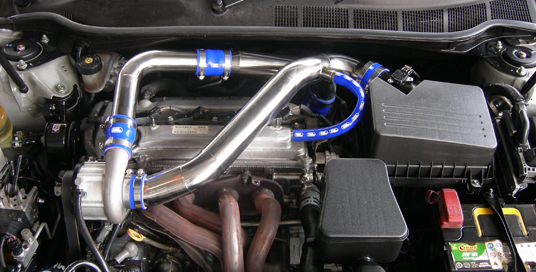
    Upgrading a Toyota Camry with a supercharger significantly enhances horsepower and torque, but it also has a pronounced impact on the vehicle’s exhaust and airflow systems. A boosted Camry requires careful attention to how air enters and exits the engine, as these systems play a critical role in performance, efficiency, and engine reliability.

    When a supercharger compresses air into the engine, the increased volume of air requires corresponding changes in the exhaust system to maintain optimal airflow. Without proper airflow management, a supercharged engine can experience backpressure issues, reduced efficiency, and potential overheating. Understanding these impacts is essential for owners looking to maximize the benefits of their supercharged setup.

    A Camry supercharged setup affects both intake and exhaust airflow. On the intake side, the supercharger forces more air into the combustion chamber, increasing the engine’s oxygen content and enabling more fuel to be burned efficiently. On the exhaust side, the increased combustion output produces more gases that must be expelled quickly. Upgraded exhaust systems, including larger diameter pipes and high-flow catalytic converters, help reduce backpressure and improve the overall efficiency of the supercharged engine.

    Intake Airflow Improvements

    The efficiency of a supercharged engine depends heavily on clean and unrestricted airflow into the intake. Stock air filters and intake pathways may restrict airflow, limiting the performance potential of the supercharger. High-flow air filters and performance intake systems ensure that the engine receives sufficient air, improving combustion efficiency and maintaining the proper air-fuel ratio. Regular inspection and cleaning of intake components are also necessary to avoid blockages or restrictions that could compromise performance.

    Exhaust System Upgrades

    A supercharged engine produces more exhaust gases than a naturally aspirated engine. Stock exhaust systems can create backpressure, which reduces engine efficiency and limits power gains. Upgrading to a performance exhaust system with larger diameter pipes, mandrel bends, and high-flow catalytic converters allows gases to exit more quickly, improving throttle response and overall engine performance. These modifications also help the engine maintain safe temperatures by efficiently removing heat from the combustion process.

    Heat Management

    Supercharging increases thermal loads on both the intake and exhaust systems. Proper airflow management is essential to prevent overheating, pre-ignition, and engine knock. Components such as heat shields, intercoolers, and insulated piping help manage the increased temperatures associated with forced induction. Efficient heat management ensures consistent performance, prolongs component life, and protects the engine from damage due to excessive heat.

    ECU Tuning and Airflow Coordination

    To take full advantage of airflow and exhaust upgrades, ECU tuning is critical. The engine control unit must adjust ignition timing, fuel delivery, and boost levels to accommodate the increased airflow and altered exhaust dynamics. Proper tuning prevents lean conditions, reduces engine knock, and optimizes overall performance. Coordinating intake and exhaust improvements with professional ECU calibration ensures that the supercharged Camry operates efficiently and reliably.

    Supporting Component Maintenance

    Maintaining a supercharged engine’s airflow and exhaust system requires routine inspections. Checking for leaks, loose connections, or damaged components helps preserve optimal airflow and prevents performance degradation. Regular maintenance of air filters, intercoolers, and exhaust gaskets ensures that the system continues to operate efficiently and that the engine can safely handle the increased demands of forced induction.

    Real-World Driving Benefits

    Properly managing airflow and exhaust systems in a supercharged Camry results in tangible performance improvements. Drivers experience faster acceleration, improved throttle response, and smoother engine operation under load. Efficient airflow also contributes to better fuel combustion, which can slightly mitigate increased fuel consumption under aggressive driving, while maintaining reliability and component longevity.

    Conclusion

    A boosted Camry requires careful attention to its exhaust and airflow systems to fully realize the benefits of supercharging. Upgrading intake components, exhaust pathways, and implementing heat management solutions ensures efficient engine operation and maximizes performance. Combined with proper ECU tuning and routine maintenance, these modifications allow a supercharged Camry to deliver enhanced power, responsiveness, and reliability while protecting critical engine components from the added stresses of forced induction.

    Differences Between Expanding and Non-Expanding Foam Sealant

    0

    Selecting the right type of foam sealant is essential for achieving effective sealing, insulation, and structural support in construction and home improvement projects. Foam sealants come in various formulations, with expanding and non-expanding types being the most common. Understanding their differences, applications, and benefits can help homeowners and professionals make informed choices for their specific needs.

    Understanding Foam Sealant

    Foam sealant is a polyurethane-based product that fills gaps, cracks, and cavities in walls, ceilings, floors, and around windows, doors, and pipes. It provides insulation, air and moisture sealing, and structural reinforcement. For high-quality and reliable options, foam sealant offers a range of formulations, including both expanding and non-expanding types, suitable for indoor and outdoor applications.

    Expanding Foam Sealant

    1. Characteristics

    Expanding foam sealant is designed to increase in volume after application. Its key characteristics include:

    • High Expansion: Fills large gaps and irregular spaces effectively.
    • Strong Adhesion: Bonds to multiple surfaces, including wood, concrete, metal, and brick.
    • Lightweight Strength: Provides additional support while remaining lightweight.

    2. Applications

    Expanding foam is ideal for situations where gaps are uneven, large, or difficult to reach. Common applications include:

    • Filling gaps around pipes, ducts, and conduits.
    • Sealing wall cavities or roof joints.
    • Insulating attics, crawl spaces, and exterior walls.

    3. Advantages

    • Provides excellent insulation and airtight seals.
    • Expands to fill irregularly shaped spaces completely.
    • Reduces air leakage and energy loss.

    4. Considerations

    • Over-expansion can lead to overflow, requiring trimming after curing.
    • Not always suitable for small, precise applications due to aggressive expansion.

    Non-Expanding Foam Sealant

    1. Characteristics

    Non-expanding foam sealant does not significantly increase in volume after application. Its key features include:

    • Precise Application: Allows for controlled placement in small gaps.
    • Minimal Expansion: Maintains its original shape and size, preventing pressure on surrounding materials.
    • Consistent Curing: Solidifies without causing deformation to nearby surfaces.

    2. Applications

    Non-expanding foam is particularly useful for applications where accuracy is important and over-expansion could cause damage:

    • Sealing gaps around window and door frames.
    • Filling small cracks in walls or floors.
    • Applications near delicate materials or trim work.

    3. Advantages

    • Reduces the risk of damaging surfaces due to expansion.
    • Ideal for precision sealing and finishing work.
    • Maintains shape over time, providing a neat and consistent seal.

    4. Considerations

    • Less effective for large gaps or irregularly shaped cavities.
    • May require multiple applications to fill wider spaces adequately.

    Choosing Between Expanding and Non-Expanding Foam Sealant

    1. Assess Gap Size and Shape

    For large or irregular gaps, expanding foam is usually the best choice. Non-expanding foam works well for narrow or precise spaces where controlled application is essential.

    2. Consider Surface Sensitivity

    If working near delicate materials such as finished wood, glass, or trim, non-expanding foam reduces the risk of damage. Expanding foam may exert pressure and require careful trimming.

    3. Evaluate Insulation Needs

    Both types provide insulation, but expanding foam is better for filling larger cavities to maximize energy efficiency. Non-expanding foam provides insulation in smaller, more targeted areas.

    4. Application Environment

    Outdoor applications exposed to weather extremes may benefit from expanding foam with high durability and moisture resistance. Indoor projects requiring precision and neat finishes often favor non-expanding foam.

    Conclusion

    Understanding the differences between expanding and non-expanding foam sealant is crucial for successful sealing, insulation, and structural support. Expanding foam excels at filling large or irregular gaps and provides strong insulation, while non-expanding foam is ideal for precise, controlled applications near delicate surfaces. By considering the size and shape of gaps, surface sensitivity, insulation requirements, and environmental factors, homeowners and professionals can choose the most appropriate foam sealant for their projects. Selecting the right type ensures long-lasting performance, energy efficiency, and a clean, professional finish.