

More
    Home Blog Page 8

    Understanding Generative AI Education: Essential Points Demystified

    0

    The extraordinary possibility of generative artificial intelligence to create new content, be it prose writing and images or music and code, has attracted the interest of everyone around the globe. Generative AI educational programs have gone viral as the technology is remaking the business and everyday life. What these courses really entail, however, is a question that many people are yet to understand and whether or not pursuing such training is in tandem with their goals or not. Being familiar with the key elements of a generative AI course, prospective students can form a well-informed opinion regarding the decision to invest time and resources into the developing discipline.

    1. Core Concepts and Foundational Knowledge Covered

    Generative AI courses typically begin with the description of the general concepts underlining these multifaceted systems. You get familiar with machine learning models, neural networks, and how computers discover patterns in giant data to make new content. Training describes the peculiarities and applications of the different types of models, including the generative adversarial networks, diffusion models, and transformers. No matter whether you are a mathematician or not, courses demystify technical terms and simplify problematic subjects. Understanding these foundations will help you work with generative tools more constructively and creatively because you will be in a position to not only learn how to use them but also why they work in a certain way.

    1. Practical Applications Across Professional Domains

    Hands-on skills are given more importance on high-quality generative AI courses than theoretical knowledge. You explore the transformation of these technologies on marketing campaigns, research processes, software development, design process, content generation and customer service processes. The courses demonstrate practical use cases of automation of report production, customization of marketing materials, faster prototyping, and enhanced creative processes. In the application-oriented approach, you can discover where generative AI is really valuable in your specific business or area of functional activity.

    1. Ethical Considerations and Responsible Usage Frameworks

    Thorough generative AI training tackles important ethical issues related to these potent technologies. You look at issues related to false information, intellectual property rights, the continuation of bias, privacy ramifications, and possible abuse situations. With an emphasis on responsibility, transparency, and human oversight, courses examine frameworks for responsible development and deployment. You can use generative AI carefully rather than carelessly if you are aware of these ethical concerns. Professionals who can manage regulatory constraints and build governance policies to ensure AI systems conform with society norms and legal duties are becoming more and more necessary for organizations.

    1. Technical Skills Development and Tool Proficiency

    Generative AI courses build practical technical skills using real platforms and frameworks, going beyond conceptual comprehension. You acquire expertise in efficiently prompting systems, optimizing models for particular uses, incorporating AI capabilities into current workflows, and critically assessing output quality. Programming principles that are required to customize solutions beyond simple interfaces are frequently covered in training. Strategic abilities like creating effective prompts, identifying system constraints, and effectively fusing human creativity with AI aid are taught in even non-technical courses. These practical skills allow learning to be applied right away in working settings.

    1. Future Trends and Continuous Learning Pathways

    Good generative AI education recognizes that this field is changing quickly in addition to equipping students for ongoing adaptation. Emerging trends, possible future developments, and methods for keeping up with technological advancements are all covered in the courses. You acquire the skills necessary for long-term relevance, such as how to find continuing resources, engage in professional groups, along with form self-directed learning habits. Growth mindsets are encouraged as well as excessive expectations are avoided by realizing that initial training is only the start of your generative AI journey.

    Conclusion

    Courses in generative AI provide students with a thorough education covering fundamental ideas, real-world applications, ethical frameworks, technical skills, and future readiness, gen AI awareness training is preparing them for significant involvement in this revolutionary technological advancement.

    Personal Loan for Home Renovation: Top Tips to Finance Your Dream Makeover

    0

    A home makeover often starts with a clear vision but stalls when the budget doesn’t match the plan. Many families want to improve their space, update old fittings or add new features, yet hesitate because renovation expenses can rise quickly. A well-planned approach helps bridge the financial gap without disrupting regular savings. One option worth considering is a personal loan, primarily when used with a clear repayment plan and proper cost assessment. Here is how homeowners can use thoughtful planning, understand personal loan interest rates in India, and evaluate the Criteria for a personal loan to support renovation goals without stress.

    How a Personal Loan Helps with Renovation

    A personal loan supports common renovation costs such as furniture, flooring, lighting or repair work. It does not require collateral, which helps people fund upgrades without using property as security. Borrowers can easily manage payments with fixed EMIs, which support a predictable monthly budget. When planned correctly, the loan gives enough flexibility to complete work in stages and handle unexpected costs.

    Check the Eligibility and Key Requirements

    A simple review of the criteria for a personal loan helps applicants prepare better.

    Core Eligibility Factors

    • Applicants must be salaried.
    • Age usually falls between 21 and 58 years.
    • Income should meet the minimum annual requirement of INR 4,00,000.
    • Applicants must be Resident Indians.
    • Eligible cities include Ahmedabad, Bangalore, Chandigarh, Chennai, Cochin, Coimbatore, Hyderabad, Jaipur, Kolkata, Mumbai, New Delhi and Pune.
    • A credit bureau score above 700 helps strengthen the application.
    • There should be no more than five enquiries in the last six months and no more than three in the previous two months.

    Reviewing these points before applying reduces delays and improves approval chances. This also helps borrowers choose a suitable loan amount and avoid future repayment difficulties.

    Understand How Much You Need

    Before applying, homeowners should list every renovation cost. This step helps avoid borrowing more than required. People often underestimate the costs of materials, contractors, labour, and finishing. A precise estimate helps match the loan amount with renovation goals. This also supports better decision-making when reviewing personal loan interest rates in India, since borrowing more than needed increases overall costs.

    Compare Costs and Interest Rates

    Evaluating personal loan interest rates in India helps borrowers control the total cost of borrowing. A few percentage points can make a noticeable difference in the final repayment. Borrowers should compare options, review processing charges, check tenure options and calculate EMIs. Longer tenures reduce EMI amounts but increase total interest. Shorter tenures cost less overall but need stronger monthly cash flow. Choosing a balanced option helps maintain financial stability while completing renovation work on time.

    Plan the Repayment Strategy

    Borrowers should ensure that monthly EMIs fit within their budget without affecting regular expenses. Setting up automatic payments helps avoid missed installments. Applicants should also consider pre-payment options if they expect future bonuses or additional income. A disciplined repayment approach keeps debt under control and prevents unnecessary charges.

    Smart Tips to Manage Renovation Costs

    Small decisions during renovation can reduce long-term costs.

    • Start with the most essential upgrades, such as electrical fixes or structural repairs.
    • Track all expenses through a simple spreadsheet or budgeting tool.
    • Compare prices for materials and fittings before purchasing.
    • Keep a small buffer for unexpected work or minor increases in labour costs.
    • Avoid stretching the renovation scope beyond what the loan can comfortably support.

    These steps help maintain balance between design ambitions and financial limits.

    Conclusion

    Home renovation becomes easier when supported by practical planning and sound financial decisions. A personal loan is a valuable tool when borrowers understand personal loan interest rates in India, review the criteria for a personal loan, and choose a repayment structure that fits their monthly budget. Renovation projects often feel overwhelming, but precise cost estimates, disciplined tracking and informed borrowing help homeowners make steady progress. With the right approach, a personal loan can support a comfortable, functional and refreshed living space without creating long-term financial pressure. This ensures the makeover remains both manageable and rewarding for the household.

    Choosing Between Manual and Automated Swiss Type CNC Lathes

    0

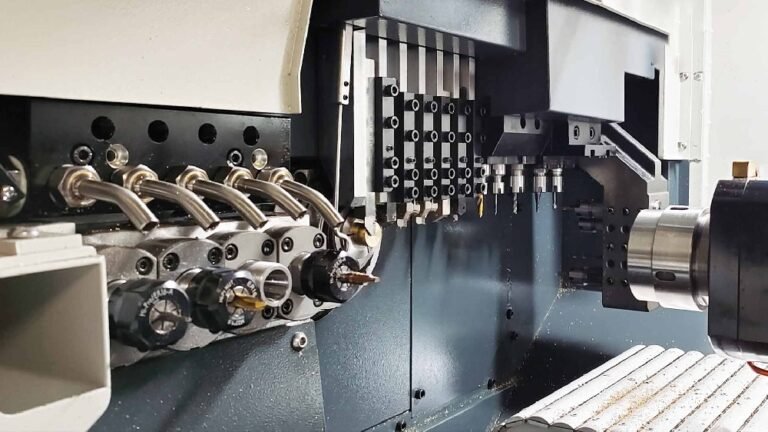
    Selecting the right Swiss type CNC lathe is a critical decision for manufacturers aiming to balance precision, productivity, and cost-efficiency. Swiss lathes are widely recognized for their ability to produce intricate, slender components with exceptional accuracy, but the choice between manual and automated models can significantly impact production workflows. Understanding the differences and evaluating your specific requirements is essential for making the best investment.

    Understanding Manual Swiss Type CNC Lathes

    Manual Swiss type CNC lathes offer operators direct control over machining processes. These machines are generally simpler, making them suitable for small-scale production or workshops that require flexible, low-volume manufacturing. Manual lathes provide hands-on operation, allowing skilled operators to adjust settings in real time and make nuanced changes during machining. This level of control is beneficial for prototyping or producing parts with variable designs and tolerances.

    However, manual lathes require experienced operators to achieve consistent precision. The reliance on human intervention can lead to variations in quality and longer cycle times for repetitive production tasks. Additionally, manual machines often involve more setup and handling, which can affect workflow efficiency, especially in high-volume operations.

    Advantages of Automated Swiss Type CNC Lathes

    Automated Swiss type CNC lathes offer advanced control systems, multiple axes, and programmable operations that significantly enhance productivity and precision. These machines are capable of performing complex operations, such as turning, threading, drilling, and milling, in a single setup with minimal human intervention. Automation ensures consistent output, reduces scrap rates, and allows manufacturers to handle large production volumes efficiently.

    Investing in a reliable swiss type cnc lathe with automation features can also improve workflow efficiency. Operators can program multiple part designs, enabling quick changeovers and uninterrupted production cycles. Automated lathes are particularly advantageous in industries where high precision, repeatability, and reduced lead times are critical, such as medical devices, electronics, and aerospace components.

    Key Considerations When Choosing Between Manual and Automated Lathes

    Several factors should guide the decision between manual and automated Swiss type CNC lathes. Production volume is one of the most important considerations. For low-volume or highly customized parts, manual lathes may be sufficient and cost-effective. Conversely, automated lathes are better suited for high-volume or high-mix production where consistency and speed are essential.

    Another factor is operator skill and availability. Manual lathes demand highly trained personnel capable of maintaining precision throughout production. Automated lathes, while requiring programming knowledge, reduce the reliance on constant manual oversight and allow operators to oversee multiple machines simultaneously.

    Budget is also a critical consideration. Manual lathes generally have a lower upfront cost, but automated lathes often provide greater long-term value through increased productivity, reduced material waste, and lower labor costs. Conducting a thorough cost-benefit analysis, including both immediate investment and long-term operational savings, is essential for making an informed choice.

    Workflow and Flexibility Implications

    Manual Swiss lathes offer flexibility for unique, prototype, or low-volume parts, but their workflow efficiency is limited by setup times and operator intervention. Automated machines, on the other hand, excel in consistent production and optimized workflow. The ability to run unattended for extended periods allows manufacturers to meet tight deadlines and scale production without compromising quality.

    Maintenance and Longevity

    Both manual and automated lathes require proper maintenance to ensure longevity and consistent performance. Automated lathes often include diagnostic features and easier monitoring, which can reduce unplanned downtime. Manual lathes, while simpler to maintain, may require more frequent adjustments to retain accuracy over time.

    Conclusion

    Choosing between manual and automated Swiss type CNC lathes depends on production volume, precision requirements, operator availability, and long-term cost considerations. Manual lathes provide flexibility and hands-on control, making them suitable for specialized or low-volume production. Automated lathes offer enhanced efficiency, consistent precision, and the ability to manage high-volume or complex operations. By carefully evaluating your workflow, production needs, and financial goals, manufacturers can select the right Swiss type CNC lathe to optimize performance and achieve sustainable operational success.

    How Swiss Lathe Manufacturers Maintain High Production Efficiency

    0

    Maintaining high production efficiency is a cornerstone of modern manufacturing, and Swiss lathes play a pivotal role in achieving this goal. Manufacturers of these machines focus on precision, reliability, and workflow optimization to ensure that businesses can consistently produce high-quality components at scale. Understanding the strategies and technologies employed by Swiss lathe manufacturers can help buyers select machines that maximize efficiency and minimize downtime.

    Streamlined Machine Design

    One key factor in production efficiency is machine design. Swiss lathe manufacturers focus on compact layouts, precise spindle alignment, and rigid guideways to reduce vibration and enhance stability during operations. These design considerations allow for faster machining cycles while maintaining accuracy, ensuring that operators can produce parts consistently without frequent adjustments or corrections.

    Integration of Advanced Technology

    Technological integration significantly contributes to efficiency in Swiss lathes. Features such as multi-axis control, automated tool changers, and intelligent bar feeders reduce manual intervention and optimize workflow. A trusted swiss lathe manufacturers leverages cutting-edge CNC systems, real-time monitoring, and predictive maintenance tools to maintain smooth operations. These advancements enable machines to handle complex geometries and high-volume production without compromising precision.

    Automation and Workflow Optimization

    Automation is a major driver of production efficiency in modern workshops. Robotic loaders, automatic part handling, and multi-function capabilities allow Swiss lathes to perform multiple operations in a single setup. By reducing the need to transfer parts between machines and minimizing human intervention, manufacturers can shorten cycle times, increase output, and reduce error rates. This level of automation is essential for industries where high throughput and tight tolerances are required.

    Material Handling and Versatility

    Efficient production also depends on the ability to work with diverse materials. Swiss lathe manufacturers design machines to process metals, plastics, and composite materials effectively. Hardened spindles, durable tool holders, and high-speed capabilities ensure consistent performance across different material types. This versatility reduces the need for multiple specialized machines, streamlining production and saving both time and resources.

    Data-Driven Maintenance and Monitoring

    Modern Swiss lathes are equipped with sensors and monitoring systems that track spindle load, tool wear, vibration, and temperature in real time. These data-driven insights allow operators to optimize cutting parameters, schedule preventive maintenance, and address potential issues before they cause downtime. Manufacturers who implement these systems help businesses maintain continuous production while extending the machine’s lifespan.

    Operator Training and Support

    Efficient production is not only about machine capabilities—it also relies on skilled operators. Swiss lathe manufacturers provide comprehensive training programs and technical support to ensure operators can fully utilize machine features. Well-trained operators reduce setup times, prevent errors, and maintain consistent output, further enhancing production efficiency across the workshop.

    Energy Efficiency and Sustainable Practices

    Maintaining efficiency also includes reducing energy consumption and environmental impact. Modern Swiss lathes incorporate energy-efficient motors, optimized cooling systems, and low-maintenance components. Manufacturers who prioritize these practices enable businesses to achieve operational efficiency while minimizing costs and supporting sustainability goals.

    Conclusion

    Swiss lathe manufacturers maintain high production efficiency through a combination of streamlined machine design, advanced technology, automation, material versatility, data-driven monitoring, skilled operator support, and energy-efficient practices. By selecting machines from manufacturers who prioritize these factors, businesses can achieve consistent precision, reduce downtime, and optimize workflow. Investing in high-performance Swiss lathes ensures long-term productivity, cost savings, and reliability for modern manufacturing operations.

    Energy Efficiency Tips for Small Character Inkjet Printers

    0

    Small character inkjet printers are essential tools for high-speed production lines, offering precise and reliable marking on a variety of surfaces. However, like any industrial equipment, they consume energy during operation, which can contribute to overall operational costs. Implementing energy-efficient practices not only reduces electricity consumption but also prolongs the lifespan of the printer and supports sustainable manufacturing initiatives.

    Energy efficiency begins with understanding the printer’s operational requirements and optimizing usage. Idle time, improper settings, and unnecessary maintenance cycles can lead to excessive energy consumption. By focusing on best practices and leveraging modern printer technology, manufacturers can minimize waste and enhance production efficiency without compromising print quality.

    Choosing a Small Character Inkjet Printer with energy-saving features is an effective first step. Many modern models come equipped with automatic power-saving modes, efficient ink delivery systems, and low-energy standby options. These features ensure that the printer consumes minimal power during idle periods while maintaining readiness for immediate operation, which is particularly beneficial in facilities with intermittent production schedules.

    Optimize Operating Schedules

    Reducing energy use starts with planning production schedules effectively. Avoid running printers unnecessarily during downtime or low-demand periods. Group similar printing tasks together to minimize frequent start-stop cycles, which can increase power consumption and wear on the equipment. Scheduling maintenance during off-peak hours and limiting non-essential usage can further enhance energy efficiency.

    Proper Maintenance Practices

    Regular maintenance is crucial not only for print quality but also for energy conservation. Clogged nozzles, dirty print heads, and worn components force the printer to work harder, consuming more power to achieve accurate markings. Routine cleaning, calibration, and replacement of worn parts ensure the printer operates at peak efficiency, reducing energy usage and preventing unexpected downtime.

    Optimize Print Settings

    Print settings have a direct impact on energy consumption. Adjusting resolution, print speed, and droplet size to match production requirements can help save energy. For instance, using the highest resolution for basic batch numbers or non-critical markings may be unnecessary and increases energy use. Tailoring settings to the specific application balances energy efficiency with the quality of printed information.

    Efficient Use of Ink

    Ink consumption also affects energy efficiency, as the printer expends energy to circulate and eject ink. Using high-quality, compatible inks and ensuring proper ink levels can reduce unnecessary printing cycles. Many printers offer monitoring systems that alert operators when ink is low, preventing repeated attempts to print with insufficient ink and avoiding wasted energy.

    Environmental Considerations

    The operating environment can influence energy consumption. Printers perform best in stable conditions with controlled temperature, humidity, and airflow. Excessive heat or cold can affect ink viscosity, causing the printer to work harder to maintain quality. Positioning the printer in a controlled environment reduces energy demands and contributes to consistent performance.

    Staff Training and Awareness

    Operators play a key role in energy-efficient practices. Providing training on proper usage, maintenance routines, and optimal settings ensures that staff understand how to minimize energy consumption. Awareness campaigns and clear operational procedures help reduce unnecessary power usage while maintaining high production standards.

    Implement Automation Wisely

    Integrating small character inkjet printers with automated production lines can improve energy efficiency by reducing idle time and optimizing workflow. Automated systems ensure that the printer only operates when needed, coordinating with conveyor belts and robotic arms for precise, timely marking. This synchronization minimizes energy waste while maximizing production efficiency.

    Conclusion

    Energy efficiency in small character inkjet printers is achieved through a combination of proper maintenance, optimized settings, effective scheduling, and operator training. Selecting printers with built-in energy-saving features and leveraging automation further enhances sustainability and cost-effectiveness. By implementing these strategies, manufacturers can reduce energy consumption, lower operational costs, and extend the life of their printers, all while maintaining precise, high-quality product marking.

    Why Every Plumbing Service Should Use a Sewer Camera

    0

    Plumbing services are essential for maintaining the safety and functionality of residential, commercial, and municipal water systems. Accurate diagnosis and timely repair of plumbing issues are critical to prevent costly damage, water contamination, and service disruptions. Traditional methods of pipe inspection often rely on guesswork, excavation, and trial-and-error approaches, which can be time-consuming, labor-intensive, and costly. The adoption of modern technologies, particularly the sewer camera, has revolutionized the way plumbing services operate by offering precise, non-invasive inspection solutions.

    Investing in a reliable sewer camera enables plumbing professionals to conduct thorough inspections of pipelines and drains without the need for extensive digging or disruption. These cameras are designed to navigate through narrow and complex pipe systems, providing high-resolution video footage that allows technicians to accurately identify blockages, leaks, cracks, and other issues. By using a sewer camera, plumbing services can enhance their diagnostic capabilities, improve efficiency, and deliver better outcomes for their clients.

    Accurate Diagnosis and Problem Solving

    A major advantage of using a sewer camera is the ability to diagnose plumbing problems with precision. Traditional methods often involve trial-and-error techniques, which may require extensive digging or pipe removal. A sewer camera eliminates the guesswork by providing real-time visual inspection of the pipeline’s interior. Technicians can pinpoint the exact location and nature of blockages, corrosion, or structural damage, allowing for targeted and effective repairs. Accurate diagnosis not only reduces repair time but also minimizes disruption to clients’ properties.

    Minimally Invasive Inspections

    One of the key benefits of a sewer camera is that it allows for minimally invasive inspections. Pipes can be checked without excavating streets, yards, or building foundations. This non-destructive approach saves significant labor costs, reduces the risk of property damage, and maintains client satisfaction. It is particularly valuable for commercial or municipal clients where excavation would disrupt operations or traffic flow.

    Time and Cost Efficiency

    Using a sewer camera greatly enhances the efficiency of plumbing services. Inspections that once took hours or even days can now be completed quickly, with immediate results. By accurately identifying issues without unnecessary digging, plumbing services can reduce labor hours, lower material costs, and minimize project timelines. This efficiency translates into cost savings for both the service provider and the client, making sewer cameras a wise investment for any plumbing business.

    Documentation and Reporting

    Modern sewer camera systems allow for recording high-resolution video footage and capturing still images. This documentation serves multiple purposes: it provides evidence of the condition of pipelines, supports maintenance records, assists with warranty claims, and helps in regulatory compliance. Detailed reports can also be shared with clients, building trust and demonstrating professionalism. Plumbing services that utilize sewer cameras can offer transparent and verifiable inspection results, strengthening client relationships.

    Versatility and Wide Application

    Sewer cameras are versatile tools that can be used across a range of applications. They are effective for residential plumbing, commercial property maintenance, and municipal sewer systems. These cameras can inspect main sewer lines, branch lines, storm drains, and even hard-to-reach pipelines. Their ability to navigate bends, junctions, and narrow pipes ensures comprehensive coverage for any inspection project.

    Preventive Maintenance and Long-Term Benefits

    Regular use of a sewer camera allows plumbing services to provide preventive maintenance to clients. By identifying small cracks, early corrosion, or minor blockages, technicians can address problems before they escalate into major failures. This proactive approach enhances the longevity of plumbing systems, reduces emergency repair calls, and builds long-term client trust. Plumbing services that adopt sewer camera technology position themselves as modern, reliable, and customer-focused professionals.

    Conclusion

    The sewer camera has become an indispensable tool for plumbing services, offering accurate diagnostics, minimally invasive inspection, cost and time efficiency, and comprehensive documentation. Its versatility and ability to prevent major plumbing failures make it a smart investment for any plumbing business. By incorporating sewer camera technology into their operations, plumbing services can improve service quality, enhance client satisfaction, and maintain a competitive edge in the industry.

    Lightweight and Decorative Mesh with Detailed Embroidery

    0

    Embroidery mesh fabric has become a highly sought-after material in fashion and design, celebrated for its lightweight structure, intricate detailing, and versatility. This fabric combines the airy, breathable quality of mesh with elaborate embroidery, resulting in a textile that is both decorative and functional. Embroidery mesh fabric is ideal for designers and enthusiasts who want to create garments, accessories, and decorative items that are visually striking, elegant, and unique.

    For those looking for high-quality options, trusted suppliers like Embroidery Mesh Fabric offer a wide range of designs and styles suitable for various applications. This fabric allows for a high level of creativity, as embroidery can range from subtle, delicate motifs to bold, intricate patterns. Its lightweight nature makes it comfortable to wear, while the embroidered details add texture, dimension, and sophistication.

    Applications in Fashion Design

    Embroidery mesh fabric is widely used in clothing to add elegance and refinement. In evening gowns, cocktail dresses, and bridal wear, mesh overlays with detailed embroidery provide a luxurious and ethereal effect. Designers often use mesh fabric as an overlay to create layers, enhance silhouettes, or highlight specific sections of a garment, such as the neckline, sleeves, or hemline. The transparency of the mesh allows for creative layering, giving garments a three-dimensional and dynamic appearance.

    Casual and contemporary fashion also benefits from embroidery mesh. Tops, skirts, tunics, and even lightweight jackets can incorporate mesh panels with embroidered motifs to add style and interest. The breathable quality of mesh makes it suitable for warmer weather, ensuring comfort without sacrificing elegance. By combining embroidered mesh with other fabrics such as satin or cotton, designers can achieve striking contrasts and refined textures.

    Enhancing Accessories with Mesh Embroidery

    Embroidered mesh fabric is not limited to garments—it is also perfect for creating unique and decorative accessories. Scarves, shawls, handbags, and belts can all be enhanced with embroidered mesh, adding a luxurious touch. Even smaller accessories, such as hairpieces or wristbands, benefit from the intricate patterns and lightweight texture of mesh embroidery, transforming simple items into stylish statement pieces.

    The versatility of embroidery mesh fabric allows designers to experiment with various patterns, colors, and textures. Beads, sequins, or thread detailing can be added to enhance the embroidery further, creating multi-dimensional effects that increase visual appeal and sophistication.

    Color and Pattern Considerations

    Embroidery mesh fabric is available in a wide range of colors, from neutral tones like white, beige, and black to vibrant shades such as red, blue, or emerald. Neutral tones offer timeless elegance, while bold colors create eye-catching designs suitable for festive or high-fashion pieces. The transparency of mesh allows for layering with contrasting fabrics, enhancing the vibrancy and depth of the embroidered patterns.

    Patterns in mesh embroidery can vary greatly, from delicate floral motifs to intricate geometric designs. Dense embroidery provides a rich and luxurious look, ideal for formal wear, while scattered or subtle patterns offer understated elegance suitable for casual or semi-formal garments. The choice of pattern depends on the desired effect and the overall style of the clothing or accessory.

    Care and Maintenance

    Proper care is essential to maintain the quality and longevity of embroidery mesh fabric. Due to the delicate nature of mesh and the intricate embroidery, hand washing or professional dry cleaning is recommended. Avoiding harsh detergents, machine washing, or vigorous scrubbing prevents damage to both the mesh and the embroidery threads. Flat drying or hanging in a protective garment bag ensures that the fabric retains its shape and appearance.

    For accessories or decorative items made from embroidery mesh, gentle cleaning and careful storage are key to preserving their beauty. Keeping them away from direct sunlight and storing in a dust-free environment prevents fading and wear, ensuring the embroidered details remain vibrant over time.

    Conclusion

    Embroidery mesh fabric is a versatile, elegant, and visually captivating material that adds sophistication to both garments and accessories. Its combination of lightweight mesh and detailed embroidery allows for creativity, layering, and unique design possibilities. By sourcing high-quality materials from trusted suppliers like Embroidery Mesh Fabric, designers and fashion enthusiasts can create clothing, accessories, and decorative items that are both stylish and enduring. Incorporating embroidered mesh into designs elevates ordinary pieces into luxurious, eye-catching creations that stand out in fashion and décor.

    A Comprehensive Guide to Auditing Options Available in Singapore

    0

    Auditing is a critical component of financial management and corporate governance for businesses in Singapore. Accurate financial reporting, regulatory compliance, and effective risk management all rely on thorough auditing processes. Understanding the range of auditing options available helps businesses select the right solution to meet their specific needs and objectives.

    Engaging professional singapore audit services allows companies to access a variety of auditing approaches tailored to different business sizes, industries, and operational complexities. These services provide reliable assessments of financial statements, internal controls, and overall compliance, ensuring transparency and stakeholder confidence.

    Statutory Audit

    A statutory audit is a legally required examination of a company’s financial statements. In Singapore, companies meeting certain criteria under the Companies Act must undergo a statutory audit conducted by a certified public accountant. This audit ensures that the financial statements present a true and fair view of the company’s financial position and comply with Singapore Financial Reporting Standards (SFRS).

    Statutory audits are essential for maintaining regulatory compliance, fostering investor trust, and supporting access to financing. Businesses can choose audit firms with experience in their industry to ensure a thorough and efficient statutory audit process.

    Internal Audit

    Internal audits focus on evaluating the effectiveness of a company’s internal controls, risk management practices, and operational processes. Unlike statutory audits, internal audits are not mandatory but provide valuable insights into organizational efficiency and governance.

    Through internal audits, businesses can identify weaknesses, mitigate risks, and improve internal procedures. Companies benefit from recommendations on process enhancements, fraud prevention, and operational efficiency, which support long-term sustainability and better decision-making.

    Financial Statements Audit

    A financial statements audit involves a detailed review of accounting records, transactions, and reporting practices to ensure accuracy and compliance with accounting standards. This type of audit provides assurance to stakeholders that the financial information presented is reliable and free from material misstatements.

    Financial statements audits are particularly important for companies seeking external investment, loans, or partnership opportunities, as they demonstrate credibility and transparency in financial reporting.

    Forensic Audit

    Forensic audits are specialized audits aimed at detecting fraud, financial misconduct, or irregularities within a company. These audits involve meticulous examination of financial records, transactions, and internal controls to uncover evidence of fraud or mismanagement.

    Businesses facing potential legal disputes, regulatory scrutiny, or suspected fraudulent activity can benefit from forensic audits. The findings from such audits provide actionable evidence and guidance for corrective measures, protecting the company’s assets and reputation.

    Compliance Audit

    Compliance audits evaluate whether a company adheres to relevant laws, regulations, and internal policies. This audit type ensures that organizational practices align with regulatory standards and contractual obligations.

    Regular compliance audits help businesses minimize the risk of legal penalties, maintain ethical practices, and improve overall operational accountability. Companies in highly regulated sectors such as finance, healthcare, or manufacturing often prioritize compliance audits to maintain trust and credibility.

    IT and Systems Audit

    An IT or systems audit assesses the effectiveness, security, and reliability of a company’s information systems and technology infrastructure. With the increasing reliance on digital platforms and data management, ensuring that systems are secure and functioning optimally is critical for operational efficiency and risk management.

    IT audits help identify vulnerabilities, improve data integrity, and ensure that technological controls support broader business objectives, complementing traditional financial audits.

    Risk-Based Audit

    Risk-based auditing focuses on identifying and addressing areas of highest risk within a company’s operations and financial practices. By prioritizing high-risk areas, auditors allocate resources efficiently and provide insights that mitigate potential threats to the organization.

    This approach is particularly useful for businesses seeking proactive risk management strategies, as it allows management to address critical issues before they escalate.

    Tailored Audit Services for SMEs and Large Corporations

    Singapore audit services offer solutions tailored to the size and complexity of a business. Small and medium-sized enterprises (SMEs) can access audits designed to fit their scale, budget, and operational structure, while large corporations may require more comprehensive audits covering multiple subsidiaries and complex transactions.

    Tailored services ensure that all business types receive relevant, practical, and cost-effective audit solutions, enhancing financial accuracy, compliance, and governance.

    Conclusion

    Understanding the various auditing options available in Singapore is essential for businesses aiming to maintain compliance, enhance operational efficiency, and build stakeholder confidence. From statutory and internal audits to forensic, compliance, and risk-based audits, each type serves a specific purpose in strengthening financial reporting and corporate governance.

    Engaging professional singapore audit services allows businesses to access expertise, industry knowledge, and tailored solutions that align with their operational needs. By selecting the appropriate auditing approach, companies can safeguard their financial integrity, mitigate risks, and support sustainable growth in a competitive business environment.

    Birthday Card: A Simple Gesture Making Every Birthday Special

    0

    Birthdays are not only dates on the calendar but are emotional checkpoints and quiet reminders that we grow, learn, and live life one year at a time. In all the noise of the celebration, one small gesture has remained timeless for decades: the humble happy birthday card.

    Sent digitally or with a ribbon-tied present, a birthday card means something more personal than a text message and more considerate than a speedy call. A card requires effort, intention, and the will to make someone feel appreciated-even only for a moment. And in today’s world, when all of us are at full throttle, that moment of genuine warmth does mean so much more.

    The following guide shows why birthday cards are relevant today, the types you may get, and how to write a birthday message that they will remember.

    Why Birthday Cards Still Matter

    1. They make them visible to others.

    Most people aren’t looking for big gestures; all they hope for is to be remembered. A virtual birthday card, be it digital or physical, says it exactly: “I thought of you.” It’s a pause in their day, a little spark that’s genuinely uplifting.

    2. They have emotional value.

    These texts get lost in the sea of notifications. But a card carries emotional weight-even if it is of a digital nature and is kept in some inbox or gallery. Many people go back to them on their bad days.

    3. They allow personalization

    Birthday cards can be warm, funny, heartfelt, poetic, formal, or quirky. Their flexibility makes them apt for all relationships: from your best friend to your sibling to a coworker with which you barely know.

    The different varieties of birthday cards you may choose.

    Of course, there is no single “perfect” birthday card. What you choose should be according to the personality of the one who will get it. Here are some popular types to consider:

    1. Classic Happy Birthday Cards

    Timeless, classic, and always appreciated, these usually carry simple designs, warm messages, and a soft touch of celebration. Ideal for family and mentor relations, or anyone who likes timeless elegance.

    2. Humorous Birthday Cards

    Perfect for that friend or colleague who loves humor, these cards light up the mood, poking harmless fun to bring on a good laugh. They keep the birthday moment relaxed and informal.

    3. Photo Birthday Cards

    These allow the inclusion of your photos: old memories, goofy selfies, or a collage from your shared adventures. A personal photo in the card makes it much more touching and memorable.

    4. Animated Birthday Cards

    If done properly, an animated birthday card adds motion, music, and energy to digital celebrations. It’s particularly fun for kids, coworkers, or digital-first friendships.

    5. Group Birthday Cards

    Equally suitable for office teams, a group of friends, or family gatherings, everybody signs on to one card and adds messages from the different corners of someone’s life. Sites like Sendwishonline.com make it especially easy with collaborative, shareable digital cards.

    How to Write a Heartfelt Birthday Message

    No funny birthday card is complete without a proper message. If writing is not among your biggest strengths, don’t worry-you really don’t have to be poetic or philosophical, just sincere.

    Here is the breakdown of various message styles you can use.

    1. To Close Friends

    Another year of you being the most supportive, funniest, and most chaotic human I know. Thanks for always showing up. Here’s to more late-night talks and weird adventures.

    2. For Family

    You light up our home just by being yourself. May this year bring you health, growth, love, and all that you have been working for.

    3. For Romantic Partners

    You make ordinary days special and special days unforgettable. I thank you for all the love and strength you have given me. And now, I’m so grateful that your birthday fills my world with meaning.

    4. Among Colleagues

    “May the coming year be fully packed with success, new opportunities, and reasons to celebrate. You are a joy to work with, so happy birthday.

    5. For Someone Whom You Don’t Know That Well

    May this be a year filled with new adventures, meaningful memories, and plenty of reasons to smile.

    How to make your birthday card really stand out

    Make it concrete

    You could mention some inside joke, shared memory, or something that meant something. It is in the specificity of those details where it is both real and personal.

    Match the tone to your relationship.

    Avoid forcing humor on a person if a simple sober wish would suffice. In your note, write as you would to them in person-naturally.

    Add something extra.

    A small quote, favorite song lyric, or line of appreciation completes the card.

    Keep it thoughtful

    Even the smallest message can possess great meaning and power if it is well-written with intent.

    Digital vs. Physical Birthday Cards: Which One’s Better?

    Both have their own appeal, and what is “better” really depends upon the situation.

    Choose a digital card if:

    You’re in a hurry.

    He lives very far from here.

    You want the group to participate. You want animated or customized designs. Choose a physical card if: You want something they can hold onto. You’re giving it with a gift. You prefer conventional gestures. The good news is, you don’t have to choose one forever. Different people, different situations-call for different kinds of cards. 

    Why Happy Birthday Cards Feel So Special 

    Birthdays are an emotional roller coaster, replete with feelings of nostalgia, gratefulness, and reflection upon life. A birthday card can thus ground them. On days that may go in such a rush, it is that one time when a person is made to feel loved and appreciated. And honestly, we all need that. Life gets overwhelming sometimes, and gestures like these quietly remind us that we’re not navigating our journey alone. 

    Final Thoughts 

    A birthday card is so much more than a piece of stationery or some digital artwork-it’s the intention, it’s the love, it’s that pause in someone’s chaotic life. It can be as simple or as creatively customized as you want it to be, though what counts most is that you have made the effort. And when you do it well, that effort becomes a memory someone carries long after the candles are blown out.

    How is the Gold Price Today in Jodhpur Affecting Local Demand?

    0

    Gold has long been cherished in India for its cultural significance, investment potential, and aesthetic value. Among the cities in Rajasthan, Jodhpur – famously known as the “Blue City” – exhibits a fascinating relationship with gold. Over decades, this metal has been a preferred choice for weddings, festivals, and investment portfolios in Jodhpur. The fluctuations in the gold price today in Jodhpur directly influence local demand, shaping both the sentiment of buyers and sellers and impacting related industries. More importantly, how does the shifting gold rate affect these buying trends in vibrant markets like Jodhpur compared to other Indian cities like Trichy? Let’s delve deeper into how the gold price today in Jodhpur is influencing everyday life and consumer demand.

    Gold Price Trends in Jodhpur: A Historical Perspective

    Gold prices fluctuate daily due to numerous factors such as international markets, the strength of the Indian rupee against the dollar, inflation, and local taxation. Jodhpur, much like other cities in India, follows the gold rates determined by global and national forces. However, the way locals react to these changes can differ based on cultural preferences and purchasing habits.

    Historically, the gold price today in Jodhpur has been competitive compared to other regions. This is because of the city’s strong relationship with the gold trade. Jodhpur’s bustling local jewelry market houses skilled craftsmen known for intricate gold designs, making it an essential hub for gold enthusiasts across Rajasthan. However, as gold prices have surged globally in recent months due to economic instability, these trends are inevitably reflected in Jodhpur, affecting buyers’ purchasing power.

    The Impact of Increasing Gold Price Today in Jodhpur on Local Demand

    1. Wedding Season Challenges

    Weddings in India, especially in Jodhpur, are synonymous with gold. Whether it’s heavy gold necklaces, intricate bangles, or antique gold jewelry, gold plays a central role in Rajasthan’s traditionally grandiose weddings. However, if the gold price today in Jodhpur rises significantly, families may have to compromise on the quantity or quality of gold ornaments purchased. Such high prices pose a dilemma: whether to reduce their purchases or wait in anticipation of a price correction.

    2. Shift Towards Lightweight and Minimalistic Jewelry

    The continuous increase in gold prices has forced Jodhpur-based jewelers to adapt. Buyers are now migrating from heavy, ornate gold pieces to lightweight and budget-friendly alternatives. This change in consumer behavior is a direct consequence of soaring gold price trends. Jewelers in Jodhpur have started offering minimalist collections, ensuring buyers can still adorn gold without exceeding their budgets.

    3. Investment-driven Purchases

    With the gold price today in Jodhpur climbing higher, some residents have taken a transitional view and invested in gold rather than traditional savings paths. This is because gold remains a “safe haven” asset amid inflation and economic uncertainty. Hence, a spike in prices reflects increased activity from investors rather than casual buyers.

    4. Gold Loans: A Rising Trend

    As gold prices surge, an increasing number of individuals are exploring the option of gold-backed loans. Gold serves not only as a status symbol in Jodhpur but also as a financial backup. Higher prices mean higher valuation for collateral gold loans, which many locals find appealing when in need of urgent funds.

    Comparisons Between the Gold Price Today in Jodhpur and Other Cities

    In a country as diverse as India, gold price trends can vary significantly across terrains. Trichy, for example, stands as an interesting case for comparison, especially given its prominence in Tamil Nadu’s gold trade.

    The gold rate in Trichy, similar to Jodhpur, depends on underlying factors like international market performance. However, due to demand differences, South Indian cities like Trichy experience higher demand for 22-carat gold jewelry, largely due to cultural preferences. Comparatively, Jodhpur consumers lean more toward gold purchases inspired by local artisanship.

    Interestingly, when the gold rate in Trichy rises or falls, the same pattern is observed across regions like Jodhpur. With gold rates becoming increasingly dynamic nationally, consumers in both cities are responding similarly – they either purchase immediately fearing further surges or delay their investment altogether hoping for a dip.

    What Factors Govern the Gold Price Today in Jodhpur?

    To understand how fluctuations play into consumer psychology and local demand in the region, we must delve into the contributing factors behind today’s gold prices:

    1. Global Economic Trends

    Unstable economies often lead to surges in gold prices globally, with ripple effects felt in local markets like Jodhpur. Political unrest, conflict, or banking crises often create uncertainties that drive global gold prices upward.

    2. Inflation and Currency Fluctuations

    When the value of the Indian rupee depreciates against the U.S. dollar, the cost of importing gold – a key consideration for setting the gold price today in Jodhpur – increases. Recent inflationary trends have caused gold prices to skyrocket, significantly influencing purchasing behaviors in Jodhpur.

    3. Supply and Demand Factors

    Demand increases for gold during festivals like Diwali, Akshaya Tritiya, and the wedding season, temporarily pushing up rates. Similarly, supply constraints such as reduced mining activity or stricter gold import norms add to local price hikes.

    4. Customs Duty and Local Taxes

    Taxes and excise rates directly influence the gold price today in Jodhpur and across India. Any adjustment in government policies, coupled with uneven State-level VAT implementation, adds to the cost.

    5. Seasonal Trends

    The demand for gold is cyclical in cities like Jodhpur. Higher prices during key festival seasons see buyers scrambling to make early purchases before costs peak further. Conversely, an off-season usually witnesses reduced demand for gold.

    How Jewelers Cope with Volatile Gold Prices in Jodhpur

    Local jewelers in Jodhpur play a crucial role in maintaining consistent demand for gold. To tackle pricing challenges, they adopt innovative pricing strategies and promote unique designs, catering to every budget. Offers like gold-saving schemes, installment plans, and discounts on making charges are some ways jewelers ensure steady sales despite fluctuating gold prices.

    Another trend among jewelers in Jodhpur is enhancing their digital footprint. With online platforms becoming widespread, jewelers now attract tech-savvy customers who compare gold rates across cities like Jodhpur and Trichy before making purchases.

    Price Variations in Jodhpur and Trichy

    Although Jodhpur and Trichy may experience overlapping global trends, certain local differences impact gold rates, including consumer preferences and industry ecosystems. Cultural attributes unique to Tamil Nadu, such as the preference for temple jewelry, contrast with Jodhpur’s royal-inspired gold designs. This cultural diversity often leads to price disparities between these cities.

    Conclusion: The Swirling Dynamics of Gold Demand in Jodhpur

    In a city as historic and culturally rich as Jodhpur, gold is not merely a commodity – it’s a symbol of heritage, prosperity, and emotional connection. However, the gold price today in Jodhpur plays a substantial role in dictating whether this tradition thrives or slows temporarily. While rising prices often deter casual buyers, they attract a wave of investors who view gold as a strategic financial asset.

    Additionally, comparisons with the gold rate in Trichy and other such markets show that while the broader trends remain similar, localized factors create distinct buying behaviors. Whether prices rise or fall, gold continues to hold its irreplaceable charm in both Jodhpur and beyond. Managing future trends will require a delicate balance between the government, jewelers, and consumer awareness, ensuring gold remains affordable while retaining its allure for generations to come.